
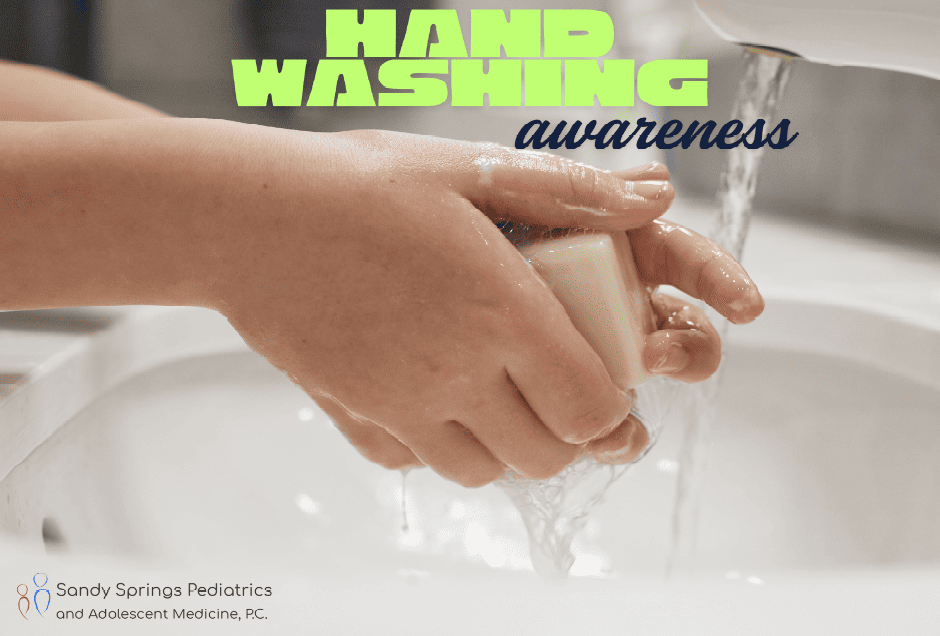
National Handwashing Awareness Week is observed during the first full week of December each year. The timing aligns with peak respiratory and gastrointestinal illness season in the United States, when viruses and bacteria that cause colds, flu, stomach bugs, and other infections spread more easily within schools, childcare settings, and households.
Handwashing remains one of the most effective and evidence-based ways to reduce the spread of infectious illness, especially among children. Despite advances in medicine and vaccination, proper hand hygiene continues to be a foundational public health practice for people of all ages.
Why handwashing is so important for children
Children are more likely than adults to come into close contact with others, touch shared surfaces, and place their hands near their mouths, noses, and eyes. These behaviors increase the likelihood of germs entering the body.
Hands are a common pathway for the spread of many illnesses that affect children, including respiratory infections and gastrointestinal infections. Germs can survive on surfaces such as toys, desks, doorknobs, phones, and playground equipment. When a child touches a contaminated surface and then touches their face or food, germs can easily enter the body.
Studies consistently show that regular handwashing with soap and water significantly reduces the spread of illness in both home and school environments. Improved hand hygiene is associated with fewer missed school days and fewer doctor visits related to preventable infections.
How germs spread through hands
Many viruses and bacteria are transmitted through what is known as fecal-oral or respiratory contact pathways. This means germs may spread when:
- A person coughs or sneezes into their hands and then touches objects or other people
- Hands come into contact with stool during diaper changes or bathroom use
- Shared surfaces are touched and then hands touch the face or food
- Children share toys or supplies that are not regularly cleaned
Because hands interact with so many surfaces throughout the day, handwashing acts as a critical interruption point that prevents germs from moving from surfaces into the body.
When handwashing matters most
Certain moments are particularly important for handwashing, especially for children. These include:
- Before eating or handling food
- After using the bathroom or helping another child use the bathroom
- After coughing, sneezing, or blowing the nose
- After returning home from school, daycare, or public places
- After playing outside or with shared toys
- After touching animals or animal habitats
Teaching children to associate handwashing with these routine moments helps build habits that protect both the child and the people around them.
What proper handwashing actually means
Effective handwashing requires more than a quick rinse. Research shows that proper technique is essential for removing germs.
Proper handwashing includes:
- Using clean, running water
- Applying soap
- Scrubbing all parts of the hands, including backs of hands, between fingers, and under nails
- Scrubbing for at least 20 seconds
- Rinsing thoroughly
- Drying with a clean towel or air drying
Soap works by breaking down oils on the skin that trap germs, allowing them to be rinsed away. Water alone is less effective at removing germs than soap and water together.
Hand sanitizer versus handwashing
Alcohol-based hand sanitizers can reduce the number of germs on hands in certain situations, but they are not a replacement for handwashing.
Handwashing with soap and water is more effective than hand sanitizer at removing certain types of germs, including some that cause stomach illnesses. Sanitizers may also be less effective when hands are visibly dirty or greasy.
Hand sanitizer can be helpful when soap and water are not available, such as during travel or outdoor activities, but routine handwashing should remain the primary method whenever possible.
Why December is a key time for hand hygiene
The first full week of December falls during a period when respiratory viruses and gastrointestinal illnesses are commonly circulating. Colder weather leads to more time spent indoors, closer contact between individuals, and increased opportunities for germ transmission.
Schools, holiday gatherings, travel, and shared meals all increase exposure risks. Reinforcing handwashing habits during this time helps reduce the spread of illness during the winter months.
Teaching children effective handwashing habits
Children learn best through repetition and example. Pediatric guidance emphasizes that handwashing habits are more likely to stick when adults model the behavior consistently.
Helpful strategies include:
- Washing hands together with young children
- Using visual timers or songs to encourage 20 seconds of scrubbing
- Explaining in simple terms how germs spread
- Making handwashing part of predictable routines
When children understand why handwashing matters, they are more likely to practice it consistently.
Handwashing and community health
Handwashing does not only protect the individual child. It helps protect classmates, teachers, family members, and vulnerable individuals such as infants, older adults, and those with chronic medical conditions.
Improved hand hygiene across a community has been shown to reduce overall illness rates, decrease absenteeism from school and work, and reduce strain on healthcare systems during peak illness seasons.
Why National Handwashing Awareness Week matters
National Handwashing Awareness Week serves as a reminder that simple, everyday actions can have a significant impact on health. Handwashing is low-cost, accessible, and supported by decades of scientific evidence.
For pediatric patients, consistent handwashing helps support healthy growth, reduces preventable illness, and reinforces lifelong habits that contribute to overall well-being.
Supporting healthy habits at every age
Pediatric care focuses on prevention as much as treatment. Reinforcing handwashing habits during well-child visits, school routines, and daily family life supports healthier outcomes throughout childhood and beyond.
National Handwashing Awareness Week highlights an important message: one of the most effective tools for protecting children’s health is already in our hands.