
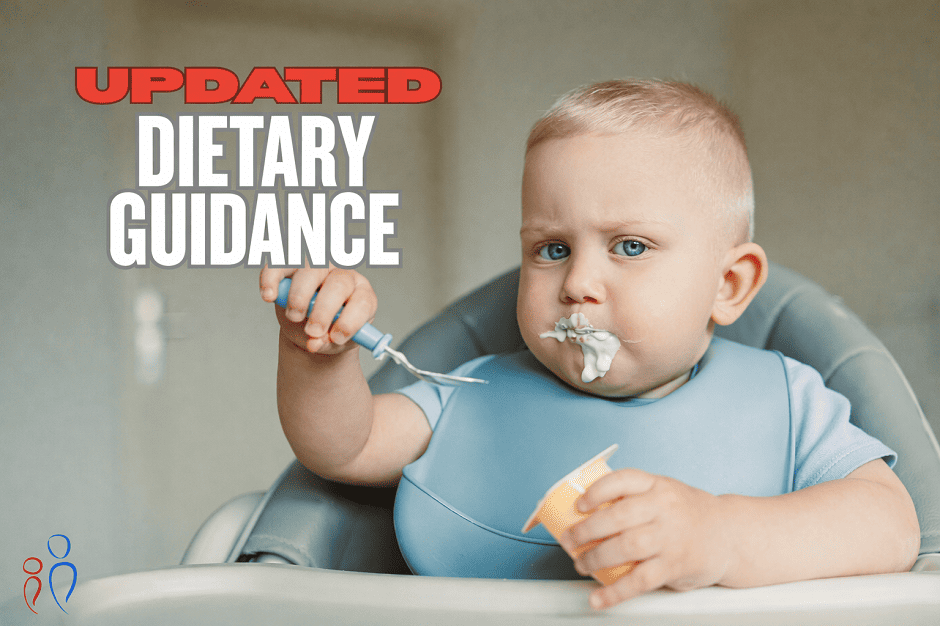
Nutrition during infancy and childhood has lifelong implications for growth, development, and disease prevention. In response to a growing body of scientific evidence, the American Academy of Pediatrics has updated its dietary recommendations to better reflect what research shows about early feeding, allergy prevention, and long-term health outcomes. These recommendations are intended to guide families toward evidence-based, practical nutrition choices that support children from infancy through adolescence.
Early Feeding and the Introduction of Solid Foods
The AAP continues to recommend breast milk or iron-fortified infant formula as the primary source of nutrition during the first year of life. Solid foods are generally introduced around six months of age, when infants show developmental readiness such as good head control, the ability to sit with support, and interest in food. At this stage, solid foods complement, rather than replace, breast milk or formula, which remain essential for meeting nutritional needs, including iron, fat, and calories required for brain growth.
Research has shown that introducing a variety of foods during infancy supports acceptance of different flavors and textures later in childhood. Exposure to vegetables, fruits, grains, and proteins early on helps shape taste preferences and may reduce selective eating behaviors as children grow.
Updated Guidance on Allergenic Foods
One of the most important shifts in pediatric nutrition guidance involves the timing of allergenic food introduction. The AAP now supports introducing common allergenic foods such as peanut, egg, dairy, wheat, soy, and fish during infancy, typically around six months of age, once solid foods have been tolerated. Large clinical trials have demonstrated that early introduction of peanut-containing foods significantly reduces the risk of developing peanut allergy, particularly in children at higher risk due to eczema or existing food allergies.
Delaying allergenic foods beyond infancy has not been shown to prevent allergies and may increase risk. For infants with severe eczema or known food allergies, pediatricians may recommend evaluation or supervised introduction, but for most children, early exposure at home is considered safe and beneficial.
Emphasis on Whole Foods and Dietary Quality
The updated recommendations place strong emphasis on overall dietary quality rather than categorizing foods as strictly “good” or “bad.” The AAP encourages families to prioritize whole foods, including fruits, vegetables, whole grains, lean proteins, and healthy fats. Diets rich in these foods are associated with improved cardiovascular health, better metabolic outcomes, and adequate intake of essential vitamins and minerals.
Highly processed foods, which often contain excess sodium, added sugars, and unhealthy fats, are linked to increased risk of childhood obesity and related conditions. While these foods may be convenient, the AAP advises limiting their role in children’s diets, particularly during early childhood when eating patterns are being established.
Added Sugars and Beverages in Childhood
The AAP maintains clear guidance regarding added sugars. Children under two years of age should not consume foods or beverages with added sugars. In older children, added sugars should be minimized to support healthy weight, dental health, and metabolic function. Sugar-sweetened beverages, including soda, sports drinks, and sweetened juices, are a major source of excess sugar in children’s diets and are associated with increased risk of obesity and type 2 diabetes.
Water and plain milk are recommended as primary beverages for children. Whole fruit is preferred over juice, even 100 percent fruit juice, because it provides fiber and leads to slower absorption of natural sugars.
The Role of Feeding Practices and Family Environment
Beyond specific foods, the AAP emphasizes the importance of responsive feeding practices. Research shows that children are better able to regulate their intake when caregivers provide structured meals and snacks while allowing the child to decide how much to eat. Pressuring children to eat, restricting foods excessively, or using food as a reward has been associated with disordered eating patterns later in life.
Shared family meals, when possible, are linked to improved diet quality and healthier relationships with food. Children who regularly eat with their families tend to consume more fruits and vegetables and fewer sugary drinks.
Nutrition as Preventive Health Care
The AAP frames nutrition as a foundational component of preventive pediatric care. Healthy dietary patterns established in childhood are associated with lower risk of chronic diseases such as heart disease, type 2 diabetes, and hypertension later in life. Nutrition also plays a role in immune function, cognitive development, and academic performance.
Pediatricians are uniquely positioned to guide families through feeding milestones, address concerns such as picky eating or growth patterns, and provide individualized recommendations based on a child’s health history and development.
Supporting Families Through Evidence-Based Guidance
The updated AAP dietary recommendations reflect decades of research and evolving understanding of how early nutrition influences lifelong health. Rather than focusing on perfection, the guidance encourages consistency, variety, and realistic approaches that fit within family routines. Ongoing conversations with a pediatrician help ensure that feeding decisions are safe, developmentally appropriate, and aligned with current medical evidence.