
Cervical Health Awareness Month, observed each January, is dedicated to raising awareness about cervical cancer prevention through education, vaccination, and routine screening. Although cervical cancer is most often diagnosed in adulthood, prevention begins much earlier in life. Pediatric and adolescent healthcare play a critical role in reducing cervical cancer risk decades before screening ever begins.
Understanding how early prevention connects to long-term health outcomes helps families make informed decisions that protect children now and into adulthood.
Cervical cancer and its primary cause
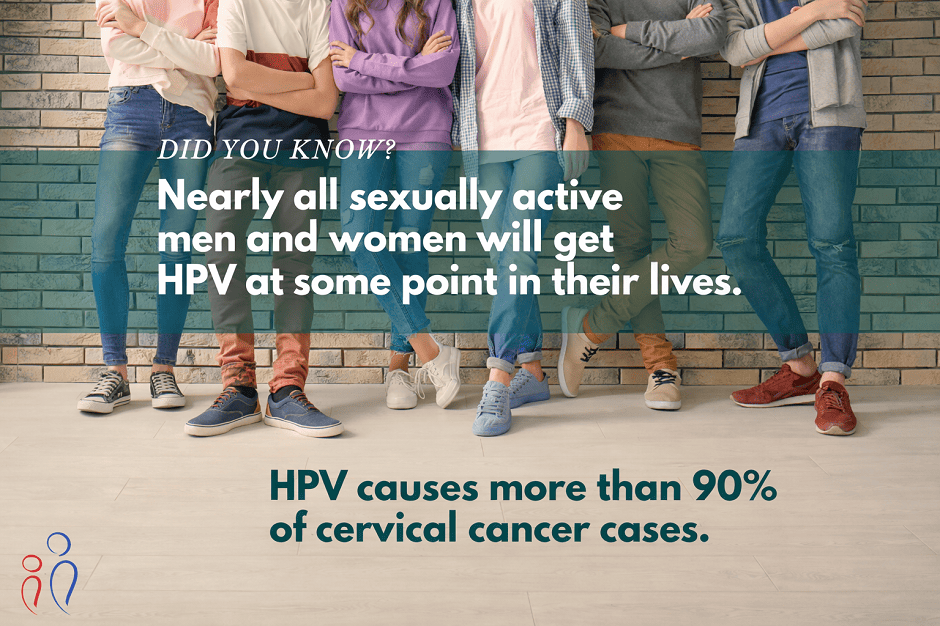
Cervical cancer develops slowly over time in the cells of the cervix. It is considered one of the most preventable cancers because the underlying cause is well understood and effective prevention strategies exist. According to the Centers for Disease Control and Prevention, nearly all cases of cervical cancer are caused by persistent infection with high-risk types of human papillomavirus (HPV).
HPV is extremely common. Most sexually active people in the United States will be exposed to HPV at some point in their lives, often without knowing it. In many cases, the immune system clears the virus naturally within one to two years. When certain high-risk types of HPV persist, they can cause changes in cervical cells that may progress to cancer over many years if not identified and treated early.
Because this process can take a decade or longer, prevention and early intervention are highly effective at reducing cancer risk.
Why cervical health begins in pediatrics
Although cervical cancer screening does not begin until adulthood, prevention starts in childhood and adolescence with HPV vaccination. Pediatric care is the foundation of this prevention strategy.
The HPV vaccine is recommended for routine administration at ages 11–12 and can be started as early as age 9. At this age, the immune system produces a stronger antibody response to the vaccine, providing better long-term protection. Vaccination before exposure to HPV is critical, as the vaccine prevents infection rather than treating existing infection.
Catch-up vaccination is recommended for adolescents and young adults who were not vaccinated at the recommended age. By preventing high-risk HPV infections early, vaccination significantly lowers the lifetime risk of cervical cancer and other HPV-related cancers.
Common misconceptions about the HPV vaccine
Despite strong scientific evidence supporting HPV vaccination, misconceptions can lead to delayed or missed vaccination. Addressing these concerns with facts is an important part of pediatric preventive care.
One common misconception is that the HPV vaccine is only needed if a child is sexually active. In reality, the vaccine is most effective when given well before any potential exposure to HPV, which is why it is recommended during preadolescence.
Another misconception is that HPV vaccination encourages early or risky sexual behavior. Multiple large studies have found no association between receiving the HPV vaccine and changes in sexual activity, sexual behavior, or age of sexual initiation.
Some families worry that the HPV vaccine is unsafe or too new. HPV vaccines have been studied extensively and monitored for safety for more than a decade, with hundreds of millions of doses administered worldwide. Ongoing safety monitoring consistently shows that serious adverse effects are rare. The most common side effects are mild and temporary, such as arm soreness, fatigue, or low-grade fever.
There is also a misconception that vaccinated individuals no longer need cervical cancer screening later in life. The vaccine does not protect against all cancer-causing HPV types, so routine screening remains essential even for those who are vaccinated.
The role of pediatricians and family education
Pediatricians play a central role in cervical cancer prevention by educating families early and providing timely vaccination. Discussions about HPV vaccination are part of routine well-child visits and are framed as cancer prevention, similar to other vaccines that protect against serious diseases.
Pediatric care teams help families understand how HPV is transmitted, why early vaccination is recommended, and how completing the full vaccine series provides the best protection. These conversations are grounded in long-term health outcomes and supported by extensive research.
By establishing trust and providing accurate information, pediatricians help families make informed decisions that protect their children’s future health.
Why screening in adulthood is still essential
Even with widespread vaccination, cervical cancer screening remains a critical component of prevention. Screening allows healthcare providers to detect abnormal cervical cells before they become cancerous.
Current guidelines recommend beginning cervical cancer screening at age 21, with Pap testing and HPV testing performed at intervals based on age, health history, and test results. Screening has been shown to significantly reduce cervical cancer incidence and mortality.
Public health data show that most cases of cervical cancer occur in women who are not up to date on routine screening. This highlights the importance of continuity of care as pediatric patients transition into adult healthcare systems.
A lifespan approach to cervical cancer prevention
Cervical Health Awareness Month highlights how prevention works best when it spans the entire lifespan. Pediatric vaccination, adolescent education, and adult screening are interconnected strategies that build on one another.
Families who prioritize preventive care early are more likely to continue regular health maintenance into adulthood. Pediatric visits provide an opportunity to introduce the concept of long-term preventive health and reinforce the importance of future screenings.
Healthcare providers across pediatrics, internal medicine, and women’s health share responsibility in ensuring prevention efforts remain consistent at every stage of life.
Key takeaway for families
Cervical cancer prevention does not begin with the first Pap test. It begins years earlier with pediatric preventive care, HPV vaccination, and informed family decision-making. Addressing misconceptions, staying current with recommended vaccines, and maintaining routine screening as children grow into adulthood are essential steps in reducing cervical cancer risk.
Cervical Health Awareness Month serves as a reminder that protecting long-term health starts early and relies on evidence-based care throughout the lifespan