
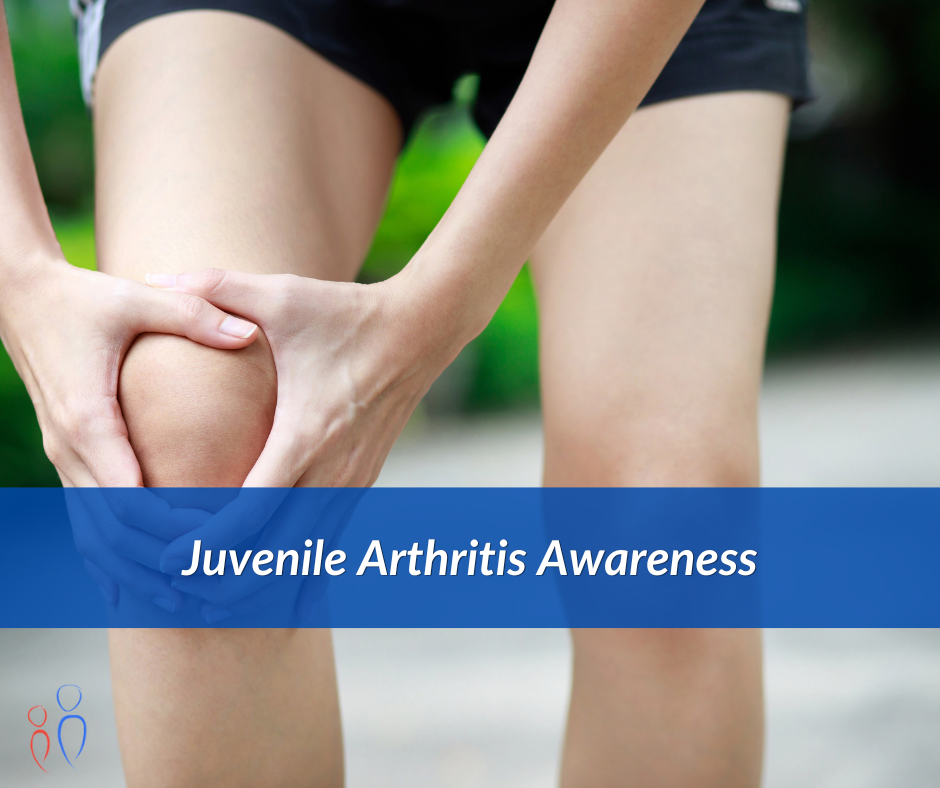
When a child is diagnosed with juvenile arthritis, many parents have the same first reaction: children can get arthritis? Arthritis is often thought of as an adult condition, but children and teens can develop chronic inflammatory joint disease. Juvenile arthritis, also called childhood arthritis, refers to arthritis and related inflammatory conditions that begin in childhood. The most common type is juvenile idiopathic arthritis, or JIA. The CDC reports that about 220,000 children and adolescents under age 18 in the United States have arthritis.
A new diagnosis can feel overwhelming because juvenile arthritis is not usually a short-term injury or a simple growing pain. It is a medical condition that may require ongoing care, monitoring, and coordination between specialists. The exact cause of juvenile idiopathic arthritis is unknown. The American Academy of Pediatrics explains that parents cannot prevent JIA from developing, and the condition is not caused by normal childhood activity, sports, or something a parent did wrong.
Juvenile idiopathic arthritis occurs when a child’s immune system becomes overactive and causes inflammation, most often in the joints. This inflammation can lead to swelling, stiffness, pain, warmth, limited movement, and changes in how a child walks, plays, writes, climbs stairs, or participates in daily activities. Some children clearly complain of pain, while others may simply limp, avoid using a joint, seem slower in the morning, or become less active than usual.
Morning stiffness is one of the symptoms parents should pay close attention to. Inflammatory joint stiffness is often worse after sleep or after long periods of sitting. A child may move more slowly in the morning, have trouble getting dressed, avoid walking downstairs, or seem to “warm up” as the day goes on. Persistent swelling, stiffness, or limping should be discussed with the child’s pediatrician and rheumatology team.
Juvenile arthritis can look different from child to child. Some children have arthritis in only a few joints, while others have several joints involved. Some forms may include fever, rash, fatigue, swollen lymph nodes, or inflammation in other parts of the body. Because symptoms can overlap with infections, injuries, orthopedic problems, and other medical conditions, diagnosis is usually based on a combination of medical history, physical exam, symptoms over time, blood tests, and imaging when needed. There is no single blood test that diagnoses every case of JIA.
After diagnosis, a pediatric rheumatologist usually leads treatment and long-term management. Pediatric rheumatologists specialize in autoimmune and inflammatory conditions that affect children, including juvenile arthritis. The pediatrician also remains an important part of the care team, helping monitor the child’s overall health, growth, vaccines, illnesses, school concerns, and coordination with specialists.
Treatment depends on the type of juvenile arthritis, the number of joints involved, the severity of inflammation, the child’s age, and whether other parts of the body are affected. The goals of treatment are to control inflammation, reduce pain and stiffness, protect joints from damage, preserve movement, support normal growth and development, and help the child participate in school, play, sports, and daily life.
Treatment may include anti-inflammatory medicines, disease-modifying medications, biologic medications, steroid injections, short-term corticosteroids in some situations, and physical or occupational therapy. Not every child needs the same treatment plan. Some children need medication for a limited period, while others need longer-term treatment and monitoring. Families should follow the plan created by the child’s rheumatology team and should not stop or change medication without medical guidance.
Parents should also understand that treatment is not only about pain control. In juvenile arthritis, a child may have inflammation even when pain seems mild. Controlling inflammation matters because ongoing inflammation can affect joint health, movement, growth, and function. This is one reason regular follow-up appointments are important, even during periods when a child seems to be doing well.
Juvenile arthritis can have flares and periods of improvement. A flare is a period when symptoms become more active, while remission means symptoms improve or disease activity becomes very low. The CDC notes that childhood arthritis can have flares and remission, and that treatment can help children manage symptoms and maintain quality of life.
Eye care is an important part of juvenile arthritis management. Some children with JIA can develop uveitis, which is inflammation inside the eye. The American Academy of Pediatrics states that about 10% to 20% of children with JIA develop uveitis, and there are often no symptoms until inflammation has already caused damage. Because of this, children with JIA need regular screening eye exams with an ophthalmologist, even when their eyes look normal and their vision seems fine.
Parents should not wait for eye redness, pain, or vision complaints before scheduling eye care. JIA-associated uveitis is often silent. The American Academy of Ophthalmology notes that children with JIA need screening slit-lamp eye examinations because uveitis may not cause symptoms early on. The child’s rheumatologist and ophthalmologist will determine how often exams are needed based on the child’s risk factors and medical history.
School support may become part of the care plan. Some children with juvenile arthritis need accommodations during flares or while treatment is being adjusted. A child may need extra time moving between classes, modified physical education, help carrying heavy books, permission to stretch or change positions, breaks during long writing assignments, or flexibility during morning stiffness. The American College of Rheumatology notes that Section 504 accommodations may help children with JIA when school adjustments are needed.
Physical activity is still important for many children with juvenile arthritis. The right type and amount of activity should be guided by the child’s care team, especially during flares or when certain joints are inflamed. The National Institute of Arthritis and Musculoskeletal and Skin Diseases notes that most children with JIA need a treatment plan that may include medicine and healthy lifestyle habits such as exercise and a balanced diet.
Parents may also notice that juvenile arthritis affects more than joints. A child may feel frustrated, tired, embarrassed, anxious about being different, or upset about missing activities. Younger children may not have the words to explain pain or stiffness. Older children and teens may resist medication, appointments, or accommodations because they do not want to stand out. Emotional support, clear routines, and age-appropriate explanations can help children understand that treatment is meant to keep them active and protected, not limit their lives.
Families should keep a simple medical record after diagnosis. Helpful information includes the child’s diagnosis, type of JIA if known, medications and doses, allergies, rheumatologist contact information, ophthalmologist contact information, dates of eye exams, flare symptoms, lab monitoring schedules, school accommodations, and questions for upcoming appointments. Keeping this information organized can make visits easier and help parents communicate clearly with each member of the care team.
Parents should call their child’s pediatrician or rheumatology team if symptoms worsen, a joint becomes newly swollen or very painful, the child develops unexplained fever or rash, the child has trouble walking or using a limb, medication side effects are suspected, or symptoms interfere with school, sleep, sports, or normal activity. Parents should seek prompt medical guidance for eye redness, eye pain, light sensitivity, blurred vision, or new vision changes, especially in a child with known JIA.
A juvenile arthritis diagnosis can be difficult to process, but many children do well with early diagnosis, appropriate treatment, regular monitoring, and support at home and school. The goal is to help the child maintain movement, protect long-term joint and eye health, and continue participating in normal childhood activities as safely as possible.
At Sandy Springs Pediatrics, we understand that a new diagnosis can bring many questions for parents. Our pediatric team can help families recognize symptoms, coordinate referrals, support school needs, monitor overall health, and work alongside specialists as part of the child’s care team. If your child has recently been diagnosed with juvenile arthritis or is being evaluated for persistent joint pain, swelling, stiffness, or limping, we encourage you to schedule a visit so we can help guide the next steps.
To schedule a visit with Sandy Springs Pediatrics, call 404-252-4611 or request an appointment online.