
July is Bebe Moore Campbell National Minority Mental Health Awareness Month, also known as BIPOC Mental Health Month. This observance is named in honor of Bebe Moore Campbell, an author, advocate, and co-founder of NAMI Urban Los Angeles who worked to reduce stigma and improve mental health awareness in underserved communities. In 2008, July was nationally declared Bebe Moore Campbell Minority Mental Health Awareness Month to improve access to mental health treatment, promote public awareness of mental illness, and increase awareness among underserved communities.
For parents, this month is an important reminder that children’s mental health is part of overall health. Mental health in childhood includes emotional development, social development, coping skills, behavior, relationships, school functioning, and the ability to manage stress. The CDC states that early diagnosis and access to services can make a difference for children and families living with mental health conditions.
Bebe Moore Campbell National Minority Mental Health Awareness Month also highlights the fact that access to mental health care is not equal for every family. Racial and ethnic minority communities may face barriers such as stigma, lack of insurance, limited access to treatment, fewer culturally responsive providers, language barriers, and mistrust based on past or present experiences in health care systems. The FDA notes that National Minority Mental Health Awareness Month brings attention to the unique challenges racial and ethnic minorities in the United States may face related to mental illness and access to care.
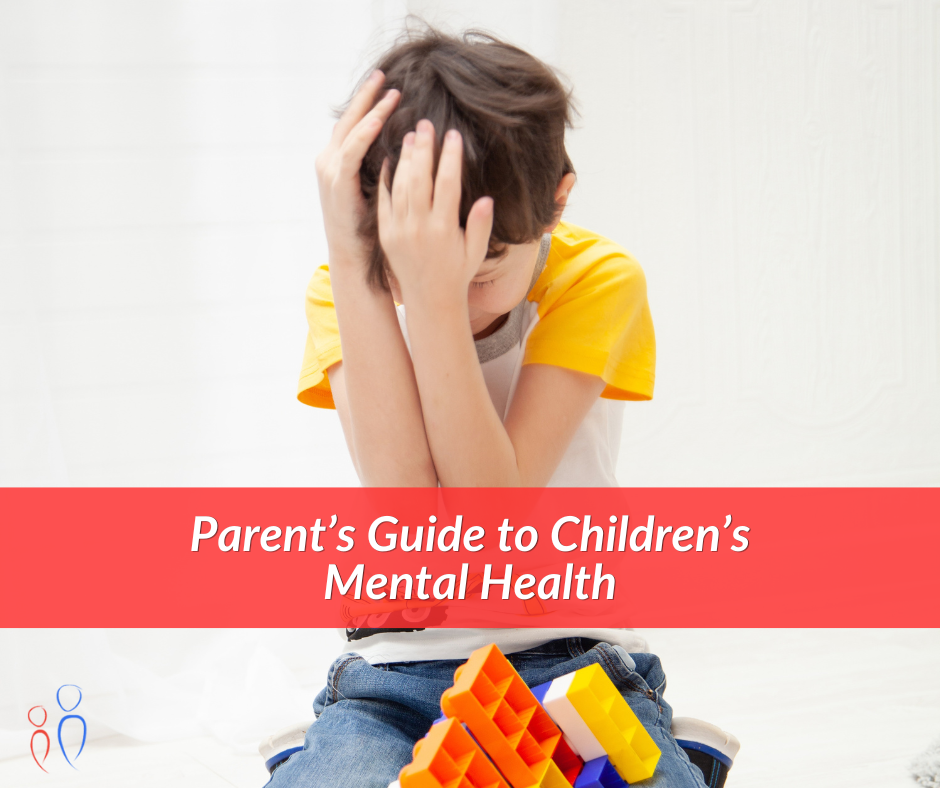
Children and teens may experience mental health symptoms differently than adults. A child may not say, “I feel depressed” or “I am anxious.” Instead, parents may notice irritability, frequent crying, anger, headaches, stomachaches, sleep changes, school avoidance, trouble concentrating, withdrawal from friends, loss of interest in activities, changes in appetite, panic-like symptoms, excessive worry, or behavior that seems out of character. The National Institute of Mental Health lists frequent tantrums, intense irritability, fear or worry, frequent stomachaches or headaches without a known medical cause, sleep changes, social difficulty, and school struggles as possible warning signs of mental health conditions in children.
A new mental health diagnosis can feel overwhelming for parents. Families may wonder whether the diagnosis is accurate, whether their child will need medication, whether therapy will help, whether the condition is temporary, and how to talk about it with teachers, relatives, or the child. A diagnosis does not define a child. It gives parents, pediatricians, therapists, and schools a clearer way to understand what the child is experiencing and what type of support may help.
Common childhood and adolescent mental health conditions include anxiety disorders, attention-deficit/hyperactivity disorder, depression and other mood disorders, eating disorders, and post-traumatic stress disorder. NIMH states that many mental disorders can begin in childhood and that early treatment can help children manage symptoms and support social and emotional well-being.
Early treatment matters because untreated symptoms can affect school performance, sleep, friendships, family relationships, self-esteem, physical health, and daily functioning. NIMH notes that for many adults with mental disorders, symptoms were present but not recognized or addressed during childhood or adolescence. The earlier treatment begins, the more effective it can be, and early treatment may help prevent more severe or lasting problems as a child grows.
Mental health concerns are also common among adolescents. CDC data from 2023 found that 40% of high school students reported persistent feelings of sadness or hopelessness, 20% seriously considered attempting suicide, and 9% attempted suicide. These numbers show why mental health screening and open conversations are important during childhood and adolescence, especially as children enter middle school, high school, and periods of academic or social transition.
Pediatricians play an important role in recognizing mental health concerns. A pediatric visit may include questions about sleep, appetite, school, friendships, stress, mood, behavior, family changes, and safety. The U.S. Preventive Services Task Force recommends screening children and adolescents ages 8 to 18 for anxiety, even when they do not have obvious symptoms. The USPSTF also recommends screening adolescents ages 12 to 18 for major depressive disorder.
Screening does not automatically mean a child has a mental health disorder. It is a tool that helps identify children and teens who may need a more detailed evaluation. When screening raises a concern, the pediatrician may recommend follow-up visits, therapy, school support, lifestyle changes, safety planning, or referral to a child therapist, psychologist, psychiatrist, developmental specialist, or other appropriate professional.
For families in BIPOC communities, culturally responsive care can be especially important. Culturally responsive care means that a child’s symptoms, family structure, language, cultural background, faith, identity, community experiences, and stressors are taken seriously as part of the care plan. It also means parents should feel comfortable asking whether a provider has experience working with families from their background, whether translation or interpretation is available when needed, and whether treatment recommendations are being explained clearly and respectfully.
Parents should also know that mental health symptoms may be affected by stressors outside the child’s control. Family stress, grief, bullying, racism, discrimination, community violence, housing instability, food insecurity, academic pressure, social media exposure, and trauma can all affect a child’s emotional and behavioral health. The American Academy of Pediatrics notes that social drivers of health, childhood toxic stress, and racism can affect child development and functioning.
After a new diagnosis, parents can help by learning the name of the condition, asking what symptoms led to the diagnosis, understanding the recommended treatment plan, and clarifying what changes should be expected over time. Parents should ask how progress will be measured, how often follow-up is needed, whether school accommodations may help, what to do if symptoms worsen, and when medication may or may not be considered. Keeping notes about sleep, appetite, mood, school concerns, panic symptoms, headaches, stomachaches, behavior changes, and triggers can help the care team understand patterns.
School support may be part of a child’s mental health plan. Some children benefit from counseling support at school, reduced workload during a crisis, extra time on assignments, breaks during the day, help with transitions, a plan for anxiety-related school avoidance, or communication between parents, teachers, counselors, and the pediatrician. A child does not need to be failing for parents to ask for support. Changes in attendance, grades, behavior, concentration, friendships, or motivation can be signs that a child needs help.
Parents should take safety concerns seriously. If a child talks about wanting to die, wanting to disappear, feeling like a burden, hurting themselves, or not wanting to be alive, parents should seek immediate help. SAMHSA’s National Helpline is a free, confidential, 24/7 treatment referral and information service for individuals and families facing mental health or substance use concerns, and the 988 Suicide & Crisis Lifeline is available by calling or texting 988 for immediate crisis support.
It is important for parents to talk about mental health in a calm, direct, and non-shaming way. Children and teens are more likely to share concerns when they believe they will be heard, not punished or dismissed. Statements such as “You are not in trouble,” “I am glad you told me,” and “We are going to get help together” can help reduce fear and shame. For many children, knowing that their parents take mental health seriously is part of healing.
Bebe Moore Campbell National Minority Mental Health Awareness Month is a reminder that mental health conversations should be accessible, respectful, and supportive for every family. Children should not have to struggle silently because of stigma, lack of information, cultural misunderstanding, or barriers to care. Parents should feel empowered to ask questions, request support, and speak with their child’s pediatrician when something does not feel right.
At Sandy Springs Pediatrics, we believe children’s mental health is an essential part of pediatric care. Our pediatric team can help parents recognize warning signs, discuss screening results, coordinate referrals, support school needs, and guide families toward the next step in care. If your child has recently been diagnosed with a mental health condition or you are concerned about changes in mood, behavior, sleep, school performance, anxiety, sadness, irritability, or social withdrawal, we encourage you to schedule a visit.
To schedule a visit with Sandy Springs Pediatrics, call 404-252-4611 or request an appointment online.