
Food Allergy Awareness Month serves as an important opportunity for families to better understand how food allergies affect children, what symptoms parents should watch for, and how pediatricians help families safely navigate diagnosis and treatment. Pediatricians throughout Atlanta, Sandy Springs, Roswell, East Cobb, Alpharetta, and North Fulton continue to see increasing numbers of children diagnosed with food allergies, making awareness and preparedness more important than ever.
A food allergy occurs when the immune system mistakenly identifies a specific food protein as harmful and triggers an immune response. Reactions can range from mild symptoms, such as itching or hives, to severe life-threatening anaphylaxis. According to the Centers for Disease Control and Prevention (CDC), millions of children in the United States currently live with food allergies, and pediatric specialists continue researching why rates appear to be increasing.
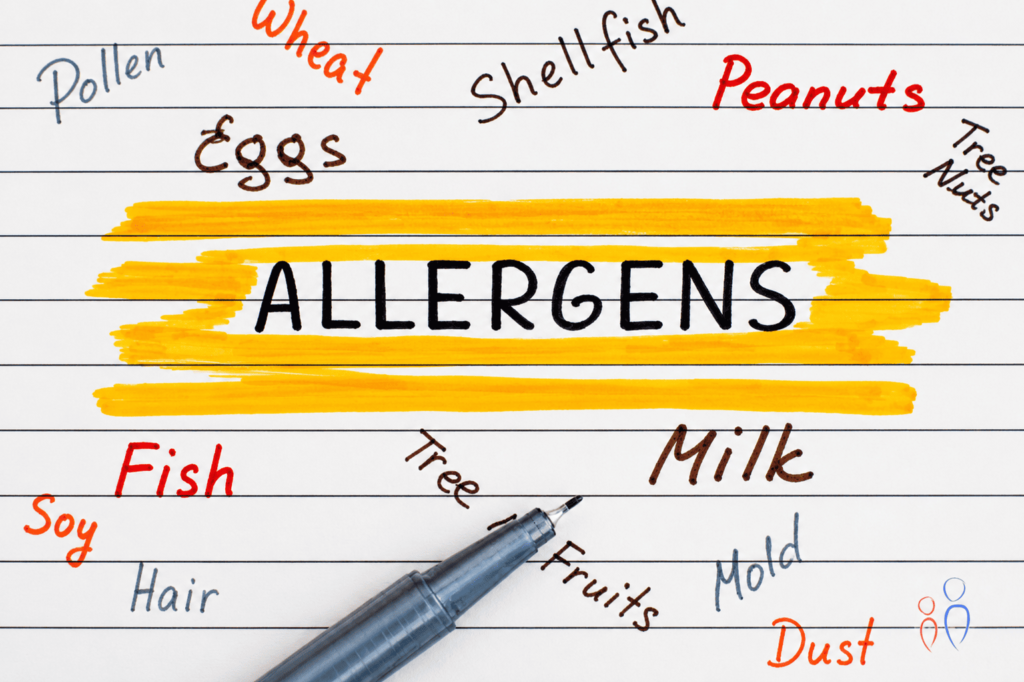
The most common food allergens in children include peanuts, tree nuts, milk, eggs, soy, wheat, fish, and shellfish. Some children may outgrow certain allergies, particularly milk or egg allergies, while others may carry allergies into adulthood. Our pediatricians in Atlanta and Sandy Springs emphasize that every child’s allergy history is different and should be evaluated individually.
Parents often first notice symptoms shortly after a child eats a trigger food. Common symptoms may include hives, swelling of the lips or face, vomiting, abdominal pain, coughing, wheezing, congestion, throat tightness, or difficulty breathing. Severe allergic reactions involving multiple body systems require emergency medical attention immediately.
Anaphylaxis is the most serious type of allergic reaction and can progress rapidly. Pediatricians throughout North Fulton and East Cobb educate families about recognizing symptoms early and understanding when to use epinephrine. Epinephrine auto-injectors remain the first-line emergency treatment for severe allergic reactions and should always be readily accessible for children diagnosed with significant food allergies.
One of the most important developments in pediatric allergy medicine over recent years has involved infant feeding recommendations. Older guidance often suggested delaying highly allergenic foods, but current evidence-based recommendations now support introducing many allergenic foods earlier during infancy for appropriate candidates. Studies have shown that early peanut introduction in certain infants may reduce the likelihood of peanut allergy development. Parents should always discuss individualized recommendations with their pediatrician before introducing allergens, especially if infants have severe eczema or existing food allergies.
Food allergies and food intolerances are frequently confused. Pediatricians explain that food intolerances generally involve digestive symptoms and do not trigger the immune system in the same way true allergies do. Lactose intolerance, for example, differs significantly from a milk protein allergy.
School safety remains a major concern for many Atlanta-area families managing pediatric food allergies. Parents should ensure schools, childcare providers, teachers, coaches, and extracurricular supervisors understand their child’s allergy action plan. Pediatricians frequently recommend written emergency instructions and proper staff education regarding epinephrine administration.
Cross-contact is another important topic discussed during pediatric allergy visits. Even small traces of allergens transferred through shared utensils, surfaces, or food preparation areas may trigger reactions in highly sensitive children. Families are encouraged to carefully read food labels and remain cautious when dining at restaurants or attending social events.
Children with asthma may face additional concerns when food allergies are present. Research suggests that poorly controlled asthma can increase the severity of allergic reactions. Pediatricians often coordinate asthma management and allergy care together to help reduce risks.
Living with food allergies can also affect emotional well-being. Children may experience anxiety surrounding school lunches, birthday parties, camps, sleepovers, and social gatherings. Pediatricians encourage families to educate children gradually about their allergies in age-appropriate ways while helping them build confidence and independence.
Parents in Sandy Springs, Roswell, East Cobb, North Fulton and surrounding areas should schedule a pediatric evaluation if children experience concerning reactions after eating, recurrent unexplained rashes, vomiting associated with specific foods, or breathing symptoms following meals. Our pediatricians may refer families to board-certified allergists for further testing when appropriate.
Food Allergy Awareness Month reminds families that preparation, education, communication, and early pediatric guidance can significantly improve safety and quality of life for children living with food allergies.
Our pediatricians are dedicated to ensuring parents and their child(ren) fully understand their diagnosis and treatment plan, as well as any other guidance needed to ensure a smooth journey. To schedule an appointment with one of our Board-Certified pediatricians, call our office at (404) 252-4611 or conveniently request a visit via our ‘Contact Us’ form at the bottom of our homepage.