
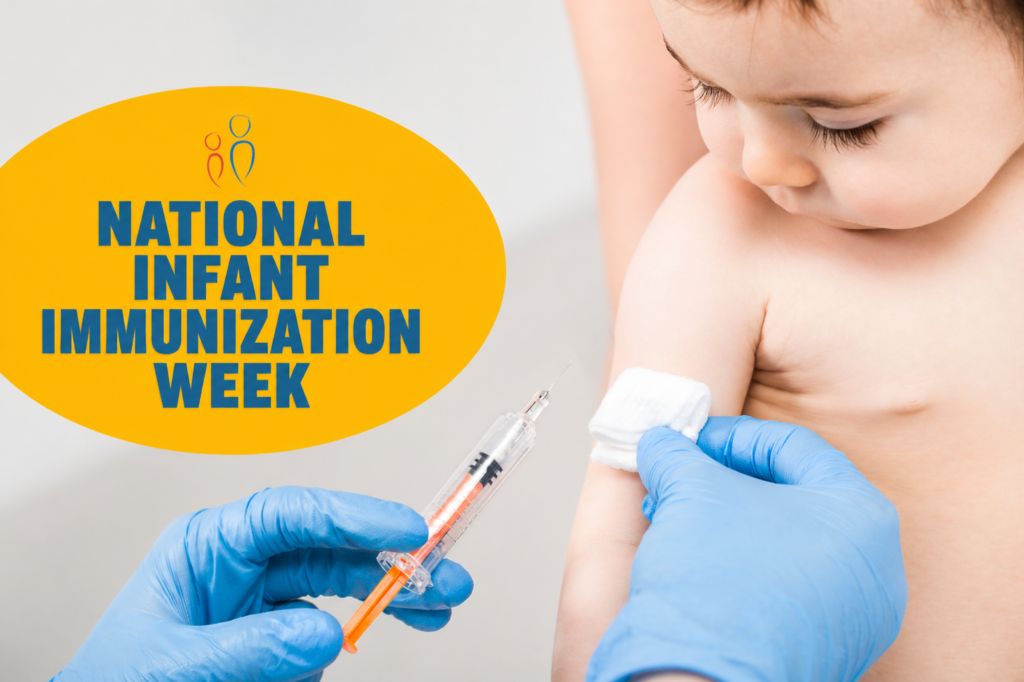
National Infant Immunization Week highlights the importance of protecting infants from serious, preventable diseases during the most vulnerable stage of life. For families working with a pediatrician in Sandy Springs, Georgia, East Cobb, Georgia, Marietta, Georgia, and North Atlanta, staying on schedule with recommended vaccines is one of the most effective ways to support a child’s long-term health.
Infants are born with developing immune systems, which makes them more susceptible to infections that older children and adults are better equipped to fight. Vaccines are designed to safely stimulate the immune system to recognize and defend against specific diseases before exposure occurs.
Why Infant Immunizations Matter
Vaccines have played a major role in reducing and, in some cases, eliminating life-threatening childhood diseases in the United States. Diseases such as measles, whooping cough, and Haemophilus influenzae type b once caused widespread illness, hospitalization, and death among infants and young children.
In pediatric practices across Sandy Springs, East Cobb, and Marietta, immunizations are a routine and essential part of well-child visits. The Centers for Disease Control and Prevention (CDC) and the American Academy of Pediatrics (AAP) recommend a structured immunization schedule beginning at birth and continuing through early childhood.
Following this schedule ensures that infants are protected at the earliest possible age, before they are likely to encounter these infections in the community.
How Vaccines Protect Infants
Vaccines work by introducing a harmless component of a virus or bacteria—such as a protein or inactivated form—into the body. This allows the immune system to build recognition and memory without causing the disease itself.
For infants in North Fulton and Cobb County, this early immune training is critical. If a vaccinated child is later exposed to a disease, their immune system can respond quickly and effectively, often preventing illness entirely or significantly reducing severity.
Vaccination also contributes to community protection, sometimes referred to as herd immunity. This is particularly important for infants who are too young to receive certain vaccines or for children with medical conditions that limit their ability to be vaccinated.
Common Vaccines in the First Year of Life
During the first year, infants receive protection against multiple serious diseases through routine immunizations. These include vaccines for hepatitis B, rotavirus, diphtheria, tetanus, pertussis (whooping cough), pneumococcal disease, polio, and Haemophilus influenzae type b.
Pediatricians in Sandy Springs Pediatrics and surrounding North Atlanta communities follow evidence-based schedules to ensure vaccines are administered at the optimal time for immune response and protection.
Spacing and timing are carefully studied to maximize effectiveness while minimizing risk, which is why adhering to the recommended schedule is strongly advised.
Addressing Common Questions from Parents
Many parents in East Cobb and Marietta pediatric practices have questions about vaccine safety, timing, and necessity. Extensive research and ongoing monitoring support the safety and effectiveness of childhood vaccines.
Vaccines undergo rigorous testing before approval and continue to be monitored through national safety systems. Serious adverse reactions are rare, while the risks associated with vaccine-preventable diseases remain significant.
It is also important to understand that delaying or spacing out vaccines beyond recommended guidelines can leave infants vulnerable during critical periods of development. Pediatricians across Fulton and Cobb County emphasize that the current schedule is designed to provide protection when children need it most.
What to Discuss With Your Pediatrician
During visits with a pediatrician in Sandy Springs, East Cobb, or North Atlanta, parents are encouraged to discuss any questions or concerns about immunizations. Open communication allows providers to offer clear, evidence-based guidance tailored to each child.
Parents should ensure they understand the recommended schedule, any upcoming vaccines, and how to manage common, mild side effects such as low-grade fever or soreness at the injection site.
Keeping an updated immunization record is also important, especially for daycare, school entry, and travel.
Immunizations and Community Health in North Atlanta
Maintaining high vaccination rates in communities like Fulton County and Cobb County is essential for preventing outbreaks. When vaccination rates decline, diseases that were previously controlled can re-emerge.
Recent years have demonstrated that even small gaps in immunization coverage can lead to localized outbreaks of measles and other preventable illnesses. Pediatricians in North Atlanta play a key role in educating families and maintaining strong community protection.
Resources for Families in Georgia
Families in Georgia have access to several resources to support immunization education and access. The Georgia Department of Public Health provides up-to-date vaccine schedules, clinic locations, and guidance for parents.
Programs such as Vaccines for Children (VFC) help ensure that vaccines are available at no cost to eligible families, removing financial barriers to care.
Local pediatric practices in Sandy Springs, East Cobb, and Marietta also serve as primary resources for education, scheduling, and ongoing support.
National Infant Immunization Week serves as a reminder that early protection is one of the most important investments in a child’s health. For families in North Atlanta, Sandy Springs, Cobb County, and Fulton County, staying on schedule with vaccinations helps protect not only individual children but the entire community.
Routine visits with a trusted pediatrician ensure that infants receive timely, evidence-based care during their most vulnerable stages of development. Early prevention through immunization remains one of the most effective tools in modern medicine for supporting lifelong health.