
How Pediatricians in North Atlanta Support Safe, Healthy Relationships for Teens
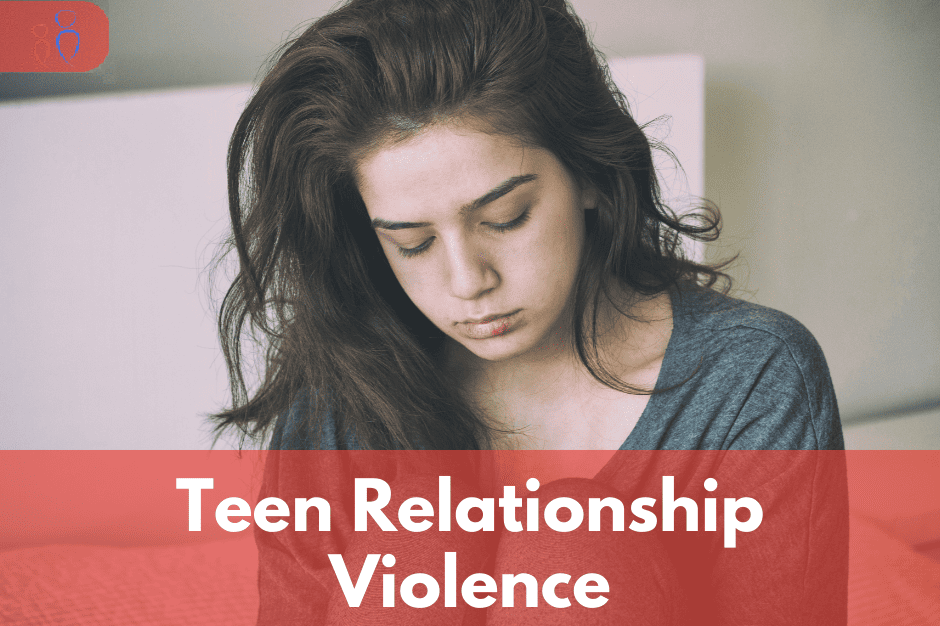
Teen Dating Violence Prevention Month is an important reminder that adolescent health includes not only physical well-being, but emotional safety, mental health, and healthy relationships.
For families in Sandy Springs, East Cobb, Roswell, and the surrounding North Atlanta communities, the pediatric office is often the only consistent healthcare setting where teens are seen regularly. That makes the annual well-teen visit a critical opportunity to talk about relationship health, screen for safety concerns, and give adolescents a trusted place to ask questions.
Teen dating violence affects millions of young people in the United States each year. According to the CDC’s Youth Risk Behavior Survey, approximately 1 in 12 high school students reports experiencing physical dating violence, and many more experience emotional or digital forms of abuse. These experiences are associated with higher rates of depression, anxiety, substance use, disordered eating, and suicidal thoughts.
Prevention begins with early, ongoing conversations — long before a teen is in a serious relationship.
What Teen Dating Violence Can Look Like
Teen dating violence is not limited to physical harm. It can include:
- Emotional or verbal abuse
- Social isolation from friends or family
- Monitoring through phones or social media
- Threats or intimidation
- Pressure related to sexual activity
- Controlling behavior
Because much of this happens through digital communication, parents may not see obvious warning signs. That is why routine adolescent visits include time for confidential screening and open conversation.
Why the Well-Teen Visit Matters
In pediatrics, the annual adolescent checkup is designed to evaluate more than height, weight, and vaccines. It includes a structured, evidence-based psychosocial assessment that looks at:
- Home environment
- School performance
- Peer relationships
- Mood and mental health
- Safety
This model — often referred to as the HEADSS assessment — is recommended by the American Academy of Pediatrics and is used to identify concerns that teens may not share at home.
The Connection Between Relationship Safety and Mental Health
Experiencing dating violence is strongly linked to:
- Depression
- Anxiety
- Decreased academic performance
- Substance use
- Self-harm risk
Because pediatricians already monitor adolescent mental health, sleep patterns, stress levels, and social changes, they are often the first to recognize when something is wrong.
A sudden drop in grades, chronic headaches or stomachaches, changes in eating or sleeping patterns, or withdrawal from activities can all be signs that a teen is struggling — even when they do not initially disclose the cause.
Starting the Conversation Early
Healthy relationship education does not begin in high school. It starts in earlier childhood with age-appropriate discussions about:
- Respect
- Boundaries
- Emotional regulation
- Self-esteem
- Digital safety
By the time teens begin dating, they should understand that healthy relationships are:
- Based on mutual respect
- Free from pressure and control
- Supportive of friendships and family connections
- Safe both in person and online
Pediatric visits throughout middle school and early adolescence reinforce these messages and give teens the language to recognize unhealthy behavior.
The Role of Confidential Teen Visits
One of the most important parts of adolescent healthcare is private time between the teen and the physician. This is standard practice and allows teens to speak openly about sensitive topics, including relationships, without fear of judgment.
This confidential conversation:
- Builds trust
- Encourages earlier disclosure of concerns
- Improves health outcomes
- Helps teens learn to take ownership of their health
Parents are still essential partners in care, but this protected space gives teens a safe way to ask for help.
Warning Signs Parents May Notice
While many teens will not immediately talk about relationship concerns, parents in Sandy Springs and East Cobb often notice changes such as:
- Loss of interest in activities they once enjoyed
- Isolation from friends or family
- Increased anxiety around texting or social media
- Unexplained injuries
- Sudden changes in mood or self-esteem
These changes do not always mean dating violence, but they are a reason to start a supportive conversation and involve the pediatrician.
A Community Approach to Prevention
In North Atlanta, teens are navigating:
- Academic pressure
- Competitive extracurricular schedules
- Constant digital connection
- Early exposure to social media relationships
This environment makes proactive guidance from healthcare providers especially important.
At routine visits, we talk with teens about:
- What healthy dating looks like
- Digital boundaries
- Consent and communication
- How to get help for themselves or a friend
These conversations are preventive care — just as important as vaccines and physical exams.
Supporting Teens and Families
For teens who are experiencing relationship violence, the pediatric medical home provides:
- A safe place to talk
- Mental health screening and referral
- Connection to local counseling resources
- Ongoing follow-up and support
For parents, it provides guidance on how to keep communication open without increasing fear or shame.
Teen Dating Violence Prevention Month is a reminder that safety, respect, and emotional well-being are essential parts of adolescent health.
Through annual well-teen visits, confidential conversations, mental health screening, and early education about healthy relationships, pediatric care helps teens in Sandy Springs, East Cobb, and across North Atlanta build the skills they need for safe and supportive relationships.
Prevention begins with connection, communication, and a trusted place to turn when something does not feel right.