
Early Recognition, Lifelong Monitoring, and the Role of Pediatric Care
Marfan Syndrome Awareness Month brings attention to a genetic connective tissue disorder that often first shows signs during childhood. While Marfan syndrome is not common, early diagnosis can be life-saving because it allows for careful monitoring of the heart, blood vessels, eyes, and skeletal system as a child grows.
For families in Sandy Springs, East Cobb, Roswell, and throughout North Atlanta, the pediatric well visit plays a critical role in recognizing physical features, tracking growth patterns, reviewing family history, and coordinating care with pediatric cardiology and other specialists — often through Children’s Healthcare of Atlanta.
With early detection and modern treatment, most children with Marfan syndrome can live full, active lives.
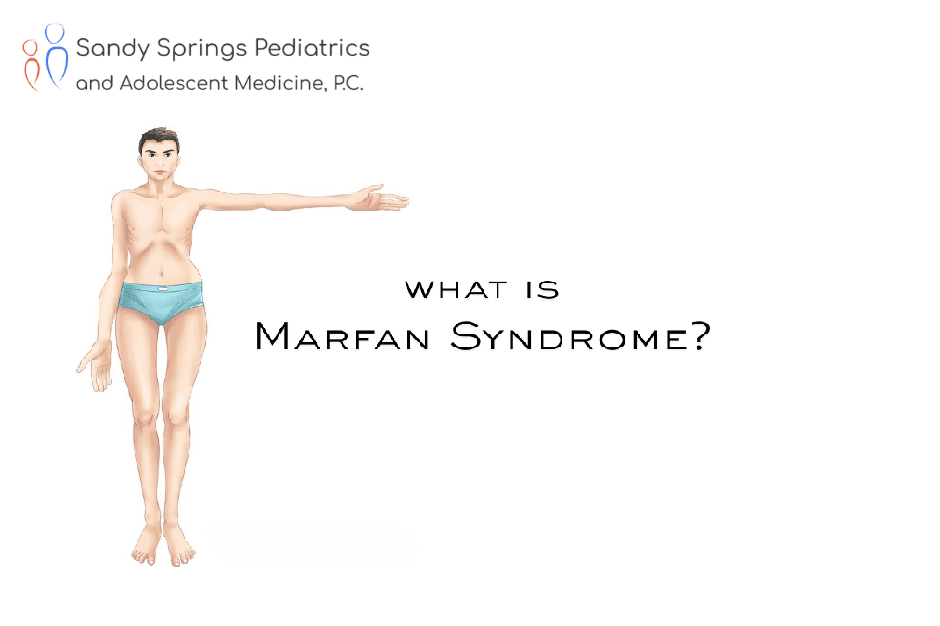
What Is Marfan Syndrome?
Marfan syndrome is a genetic disorder that affects the body’s connective tissue, which provides strength and flexibility to structures such as the heart, blood vessels, bones, joints, and eyes. It is caused by a mutation in the FBN1 gene and is typically inherited in an autosomal dominant pattern, meaning a child has a 50% chance of having the condition if one parent is affected.
Because connective tissue is present throughout the body, Marfan syndrome is considered a multisystem condition. The most serious complications involve the cardiovascular system, particularly enlargement of the aorta, known as aortic root dilation, which can increase the risk of aortic dissection if not monitored and treated.
Why Early Diagnosis in Children Matters
Many of the physical features associated with Marfan syndrome become more noticeable as a child grows. In a busy community like North Atlanta, where children are seen for annual checkups, sports physicals, and growth monitoring, pediatricians are often the first to recognize patterns that suggest further evaluation is needed.
These features may include:
- Tall stature for age
- Long arms, legs, fingers, and toes
- Joint hypermobility
- Scoliosis or chest wall differences
- Flat feet
- Vision problems, including lens dislocation
These findings do not confirm a diagnosis on their own, but they prompt referral for a comprehensive evaluation that may include genetic testing, echocardiogram, and pediatric ophthalmology assessment.
Marfan Syndrome Monitoring Milestones by Age
Infancy and Early Childhood
In infancy, Marfan syndrome is often suspected when there is a known family history. Pediatric visits focus on:
- Careful growth measurements
- Cardiac examination for murmurs or abnormal findings
- Early referral to pediatric cardiology when indicated
If diagnosed early, children begin routine imaging of the heart and aorta to establish a baseline.
Preschool and Elementary Years
As children grow, skeletal features and joint flexibility may become more apparent. During well visits and school physicals, pediatricians monitor:
- Height and arm-span ratio
- Spine alignment for early scoliosis
- Chest wall shape
- Vision concerns
At this stage, routine echocardiograms are used to measure the aortic root and monitor for enlargement. Medications such as beta blockers or angiotensin receptor blockers may be introduced to reduce stress on the aorta when recommended by pediatric cardiology.
For active North Atlanta families, this is also when we begin discussing safe physical activity based on cardiology guidance.
Adolescence
Adolescence is a period of rapid growth, which makes cardiovascular monitoring especially important for teens with Marfan syndrome.
Preventive visits focus on:
- Tracking growth velocity
- Monitoring for progression of scoliosis
- Reinforcing adherence to cardiology follow-up
- Discussing sports participation guidelines
- Addressing vision changes
Teens also begin transitioning toward understanding their own medical history and the importance of lifelong cardiac surveillance.
The Role of the Pediatric Medical Home
For children with a genetic condition like Marfan syndrome, the pediatrician serves as the central point of coordination.
This includes:
- Ensuring echocardiograms are performed on schedule
- Monitoring blood pressure
- Tracking growth and musculoskeletal changes
- Coordinating referrals to specialists
- Supporting school and activity planning
Because Marfan syndrome requires lifelong follow-up, continuity of care in a familiar pediatric setting provides stability for both the child and the family.
Physical Activity and Lifestyle Guidance
Children with Marfan syndrome are encouraged to remain active, but certain high-intensity or contact sports may be restricted depending on the size of the aorta.
Pediatricians work closely with pediatric cardiology to help families in Sandy Springs and East Cobb find safe ways for their children to:
- Participate in school activities
- Stay physically active
- Maintain social connection
This individualized approach allows children to remain engaged while protecting cardiovascular health.
Eye Health and Vision Monitoring
Because connective tissue affects the structures of the eye, children with Marfan syndrome require regular ophthalmologic examinations. Early detection of lens dislocation, myopia, or retinal concerns allows for timely treatment and preservation of vision.
The Importance of Family History
In many cases, Marfan syndrome is first identified because a parent has been diagnosed. That is why updating family history at every well visit is so important.
When a parent carries the diagnosis, early screening of children allows for:
- Prompt cardiac monitoring
- Early treatment when needed
- Safer participation in physical activities
Living Well with Marfan Syndrome
With modern medical care — including routine echocardiography, medication, activity guidance, and surgical advances when necessary — life expectancy for individuals with Marfan syndrome has increased dramatically.
Children diagnosed today can:
- Attend school normally
- Participate in appropriate physical activity
- Transition successfully into adulthood with structured cardiac care
A Coordinated Approach Close to Home
For families in North Atlanta, access to nationally recognized pediatric specialty care through Children’s Healthcare of Atlanta, combined with consistent local primary care, provides the ideal model for managing Marfan syndrome.
The pediatric medical home remains the place where growth is tracked, changes are recognized early, and referrals are coordinated seamlessly.
Marfan Syndrome Awareness Month is a reminder that early recognition saves lives.
Through routine well visits, careful physical examination, detailed family history, and strong coordination with pediatric cardiology and genetics, children with Marfan syndrome can be diagnosed early and monitored safely as they grow.
With the right care, they are able to live active, healthy, and fulfilling lives.