
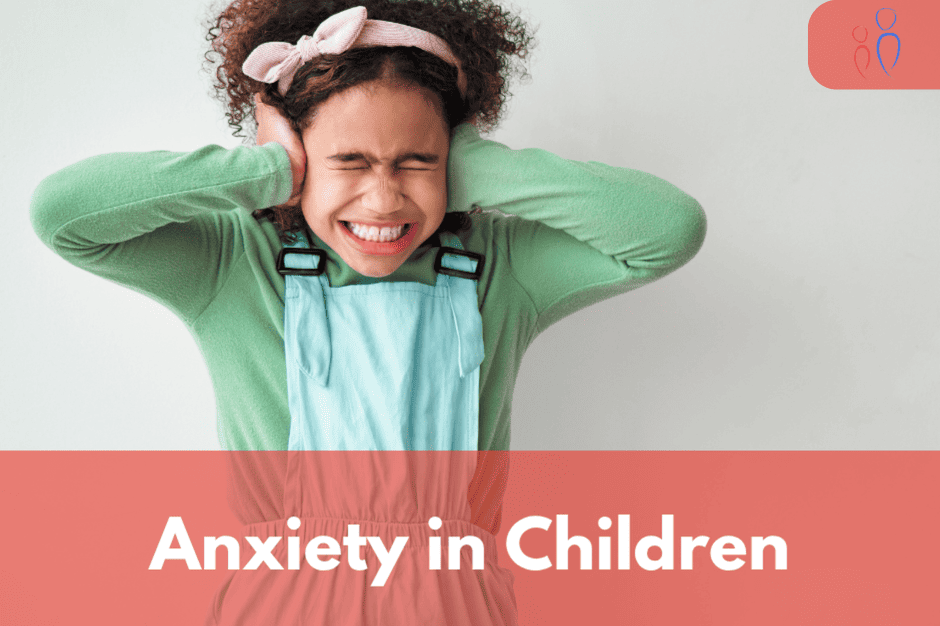
In the Atlanta area, more parents are noticing changes in their child’s behavior at school—difficulty focusing, reluctance to attend, or frequent complaints of stomachaches with no clear medical cause. While these concerns can have many explanations, anxiety is one of the most common—and often overlooked—reasons in grade school children.
At Sandy Springs Pediatrics, we regularly work with families across Sandy Springs, East Cobb, and North Atlanta who are trying to understand whether what they’re seeing is typical childhood worry or something more.
When Worry Becomes More Than “Just a Phase”
It’s normal for children to feel nervous before a test or hesitant in new situations. But anxiety becomes more significant when it starts to interfere with daily life—especially school.
For many children, anxiety doesn’t present as obvious fear. Instead, it can look like distraction, avoidance, or even behavioral challenges. A child who seems unfocused or unmotivated may actually be dealing with persistent internal worry that makes it difficult to concentrate or participate.
Signs of Anxiety in School-Age Children
Anxiety often shows up in patterns. Parents in Sandy Springs and East Cobb frequently tell us they notice:
A child who struggles to focus in class or seems mentally elsewhere, even when they understand the material
Resistance to going to school, especially after weekends, holidays, or time at home
Frequent physical complaints—most commonly stomachaches or headaches—that tend to appear before school or specific activities
Avoidance of speaking in class, participating in group work, or engaging socially with peers
Perfectionistic tendencies, such as spending excessive time on assignments, becoming frustrated with small mistakes, or refusing to turn in work unless it feels “perfect”
Some children internalize their anxiety and become quiet or withdrawn, while others may appear more irritable or reactive. Both can be signs of the same underlying issue.
Why Anxiety Often Shows Up at School
School environments naturally place demands on children—academically, socially, and emotionally. For children prone to anxiety, these expectations can feel overwhelming.
Common triggers include:
Academic pressure or fear of making mistakes
Social dynamics and peer relationships
Transitions, such as starting a new grade or school
Separation from parents during the school day
Because children often don’t have the language to explain what they’re feeling, anxiety is frequently expressed through behavior or physical symptoms instead.
The Physical Symptoms Are Real
One of the most confusing aspects for parents is how physical anxiety can be.
Children may experience real symptoms such as stomach pain, nausea, headaches, or fatigue. These are not imagined—they are the body’s response to stress. This is why some children may ask to stay home from school or visit the nurse frequently, even when no illness is identified.
When to Seek Guidance from a Pediatrician
It may be time to speak with your pediatrician if your child’s anxiety:
Interferes with school attendance or academic performance
Leads to repeated physical complaints without a clear cause
Causes avoidance of normal activities, friendships, or participation
Persists over time rather than improving
Early recognition allows children to develop healthy coping strategies before anxiety begins to impact confidence and long-term well-being.
Supporting Your Child at Home
There are simple, effective ways parents can support children experiencing anxiety:
Maintain consistent routines, especially around school mornings and bedtime
Encourage open conversation without immediately trying to “fix” the worry
Avoid reinforcing avoidance behaviors while still validating your child’s feelings
Help break down overwhelming tasks into manageable steps
Small, steady support at home can make a significant difference.
Pediatric Care in Sandy Springs, East Cobb, and North Atlanta
At Sandy Springs Pediatrics, we take a comprehensive approach to children’s health—recognizing that emotional well-being is just as important as physical health.
If you’re searching for a pediatrician in Sandy Springs, East Cobb, or North Atlanta and have concerns about your child’s behavior, focus, or school experience, our team is here to help guide you.
We work closely with families to understand the full picture and provide thoughtful, individualized recommendations.
When to Schedule an Appointment
If something feels off, it’s always appropriate to ask questions. You know your child best.
If your child is showing signs of anxiety or struggling at school, we’d love to help evaluate what’s going on and support your next steps.
You can call our office or conveniently request an appointment online. (404) 252-4611