
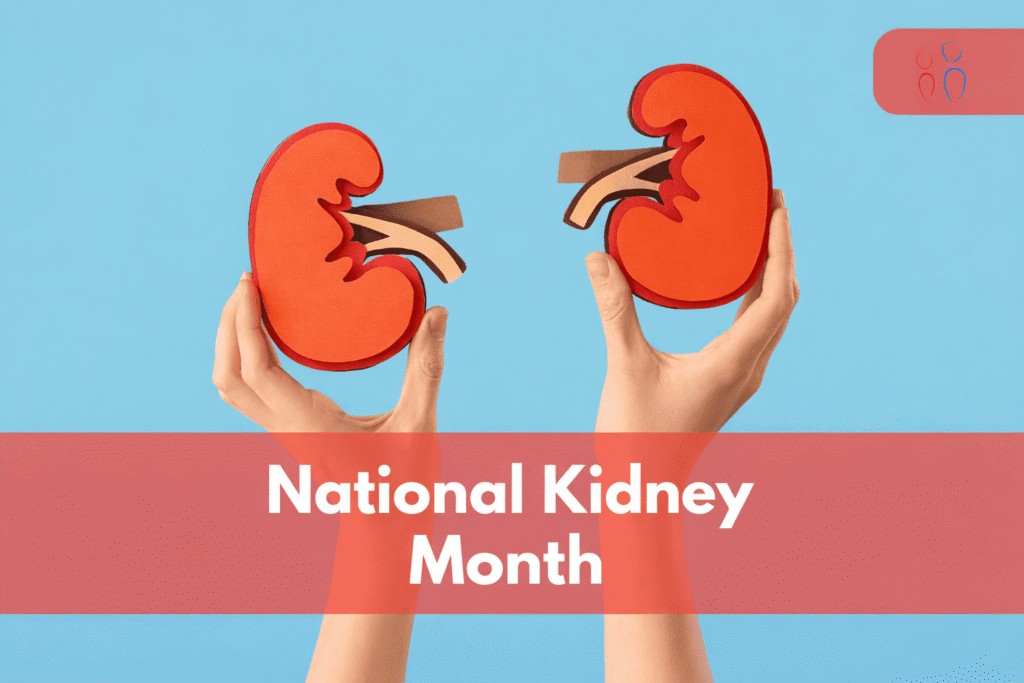
March is National Kidney Month, a time to raise awareness about kidney health and how early habits and routine pediatric care can help protect children from long-term complications. While kidney disease is often thought of as an adult condition, children in Atlanta and North Fulton can also be affected—sometimes without obvious symptoms.
At Sandy Springs Pediatrics, we believe prevention, early detection, and education are key to supporting lifelong kidney health in children across Sandy Springs, East Cobb, and the greater North Atlanta community.
Why Kidney Health Matters in Children
The kidneys play a critical role in a child’s overall health. They filter waste from the blood, regulate fluid balance, control blood pressure, and help maintain proper electrolyte levels. When kidney function is impaired, it can impact multiple systems in the body, including growth and development.
In pediatric patients, kidney concerns can range from mild and temporary issues to more complex conditions that require ongoing monitoring. According to national health data, chronic kidney disease (CKD) affects thousands of children in the United States, and early identification significantly improves outcomes.
Common Kidney Conditions Seen in Pediatric Patients
In a pediatric setting, the most frequently encountered kidney-related concerns are often different from those seen in adults. Urinary tract infections (UTIs) are one of the most common, particularly in younger children. If recurrent or left untreated, UTIs can lead to kidney involvement.
Some children are born with structural differences in the urinary tract that may affect how urine flows from the kidneys to the bladder. Conditions such as vesicoureteral reflux can increase the risk of infection and kidney damage if not properly managed.
Kidney stones, while less common in children than adults, are being diagnosed more frequently, including in pediatric patients in the Atlanta area. Dehydration, dietary factors, and genetics can all play a role.
In rarer cases, children may develop chronic kidney disease, which can be related to congenital conditions, autoimmune disorders, or complications from other illnesses.
Signs of Kidney Problems Parents Should Not Ignore
Kidney issues in children are not always obvious. Many symptoms can be subtle or mistaken for other common childhood concerns.
Parents in Sandy Springs, East Cobb, and North Fulton should be aware of persistent symptoms such as swelling around the eyes, hands, or feet, changes in urination patterns, pain with urination, or urine that appears cloudy, dark, or blood-tinged. Frequent urinary accidents in a previously potty-trained child or complaints of back or abdominal pain may also warrant evaluation.
In some cases, children with kidney concerns may experience fatigue, poor appetite, or slower growth, which can be easy to overlook without routine pediatric visits.
The Role of Routine Pediatric Care in Early Detection
Regular wellness visits with a pediatrician in Sandy Springs or North Atlanta play an essential role in monitoring kidney health. Pediatricians assess growth, blood pressure, hydration status, and overall development—all of which can provide early clues to underlying kidney issues.
Urinalysis and other basic screenings, when indicated, can help detect abnormalities before symptoms become more serious. Early identification allows for timely intervention, which can prevent progression and protect long-term kidney function.
Hydration and Daily Habits That Support Kidney Health
One of the most effective ways to support kidney health in children is through consistent hydration. Many children, especially during busy school days in Atlanta and North Fulton, do not drink enough water. Proper hydration helps the kidneys filter waste efficiently and reduces the risk of kidney stones and infections.
A balanced diet also plays a role. Diets high in sodium and processed foods can impact blood pressure and kidney function over time. Encouraging whole foods, fruits, vegetables, and appropriate portions supports not only kidney health but overall pediatric wellness.
Kidney Health in Active Atlanta Families
With children participating in sports, outdoor activities, and year-round athletics in the North Fulton and Sandy Springs areas, hydration becomes even more important. Increased physical activity leads to fluid loss, and without proper replacement, children may be at higher risk for dehydration-related kidney stress.
Parents should be especially mindful during warmer months in Georgia, when heat and humidity can increase fluid needs significantly.
When to See a Pediatrician in Sandy Springs or North Atlanta
If your child is experiencing symptoms that could be related to kidney health, or if you have concerns about hydration, urinary patterns, or recurrent infections, it is important to seek evaluation.
At Sandy Springs Pediatrics, we provide comprehensive pediatric care for families throughout Sandy Springs, East Cobb, and North Atlanta. Our approach focuses on early detection, education, and personalized care to support each child’s long-term health.
Supporting Lifelong Kidney Health
National Kidney Month is a reminder that kidney health starts early. With routine pediatric care, healthy habits, and awareness of warning signs, parents can play an important role in protecting their child’s health now and in the future.
If you have questions or would like to schedule an appointment with a pediatrician in Sandy Springs or North Atlanta, our team is here to help guide you every step of the way. (404) 252-4611