
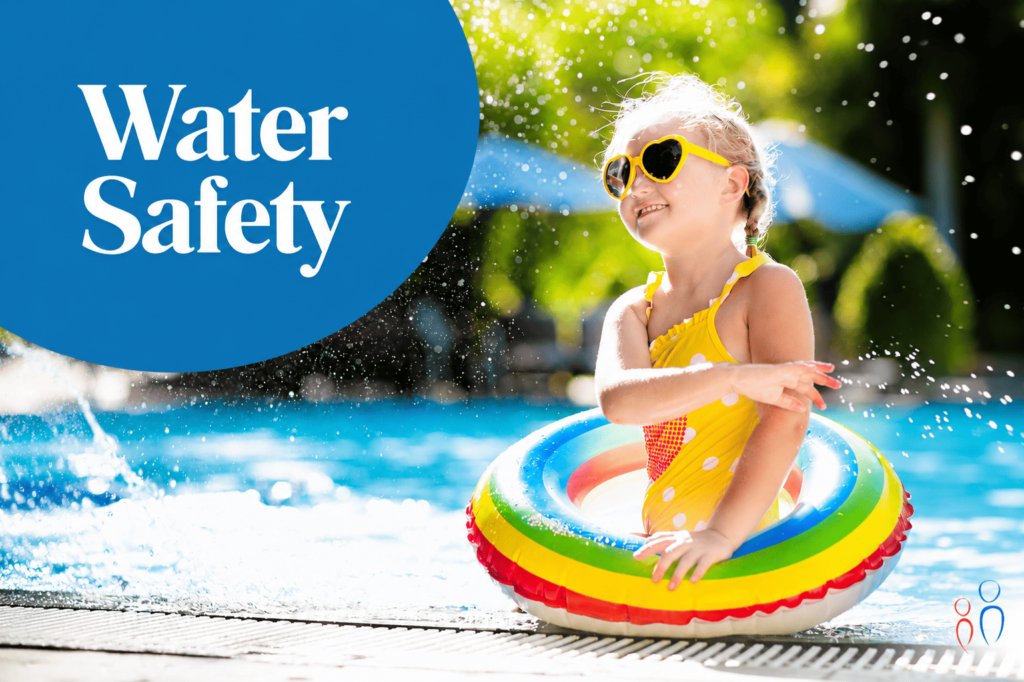
As temperatures rise across Atlanta, Sandy Springs, East Cobb, Roswell, Alpharetta, and North Fulton, more families begin spending time around pools, splash pads, lakes, rivers, and backyard water features. National Water Safety Month serves as an important opportunity for pediatricians to educate parents about one of the leading preventable causes of injury and death in children: drowning.
According to the Centers for Disease Control and Prevention (CDC), drowning remains one of the leading causes of accidental death among children ages 1 through 4 in the United States. Pediatricians in Atlanta and Sandy Springs frequently remind families that drowning can happen silently, quickly, and in surprisingly small amounts of water. Unlike dramatic portrayals often shown in television or movies, real drowning incidents may occur quietly within seconds.
Children are naturally curious and often drawn to water, particularly toddlers and preschool-aged children. In pediatric medicine, even brief lapses in supervision can create dangerous situations. For this reason, pediatricians strongly encourage “touch supervision” for young children around water. This means an adult should remain within arm’s reach of infants, toddlers, and inexperienced swimmers at all times.
Families throughout North Fulton and East Cobb should also recognize that drowning risks extend beyond swimming pools. Bathtubs, inflatable kiddie pools, decorative ponds, buckets, and natural bodies of water all pose risks to young children. After outdoor play, emptying standing water and securing water containers can reduce accidental drowning hazards around the home.
Swimming lessons are one of the most commonly discussed prevention strategies during pediatric summer visits. The American Academy of Pediatrics supports swim lessons for many children beginning around age one, depending on developmental readiness and comfort level. Swim lessons can improve confidence and teach survival skills such as floating, treading water, and safely exiting the pool. However, pediatricians emphasize that no child becomes “drown-proof,” even after formal swim instruction.
In Atlanta-area pediatric care, physicians frequently recommend layered water safety approaches. This includes adult supervision, swim lessons, four-sided fencing around pools, self-latching gates, pool alarms, and emergency preparedness. Studies have shown that four-sided isolation fencing can significantly reduce the risk of childhood drowning.
Parents should also remain cautious about flotation devices. Inflatable arm floaties, pool noodles, and water wings may provide a false sense of security and should never replace Coast Guard-approved life jackets or direct supervision. Life jackets are especially important when children participate in boating activities or swim in lakes and rivers throughout Georgia.
Natural water environments present additional concerns for pediatricians. Lakes and rivers may contain strong currents, drop-offs, underwater debris, changing temperatures, and poor visibility. Families visiting Georgia lakes during the summer should ensure children wear properly fitted life jackets and avoid swimming in unsupervised areas.
Teenagers also face unique water safety risks. Pediatricians discuss diving injuries, peer pressure, risky behavior, and alcohol use around water with adolescent patients. Diving into shallow water can result in severe spinal cord injuries, and unsupervised late-night swimming increases risk substantially.
Water safety conversations are especially important for families of children with autism spectrum disorder. Research has shown that children with autism may have a heightened attraction to water and increased wandering tendencies, which can raise drowning risk. Pediatricians often recommend additional layers of home security such as door alarms, swim instruction adapted for sensory needs, and caregiver awareness.
Pediatricians in Sandy Springs and North Fulton also encourage all caregivers to learn CPR. Immediate CPR before emergency medical personnel arrive can improve survival outcomes after drowning incidents. Many hospitals, community organizations, and local fire departments offer CPR certification classes for parents and caregivers.
Another important topic families ask pediatricians about is delayed respiratory complications following water incidents. If a child develops coughing, breathing difficulties, unusual fatigue, chest discomfort, or behavioral changes after a water accident, immediate medical evaluation is recommended.
Summer in Atlanta should be a time for safe family memories, outdoor activity, and fun. At Sandy Springs Pediatrics, we encourage parents to make water safety an active and ongoing conversation throughout the season. Prevention, supervision, and preparation remain the most effective tools for protecting children around water.