
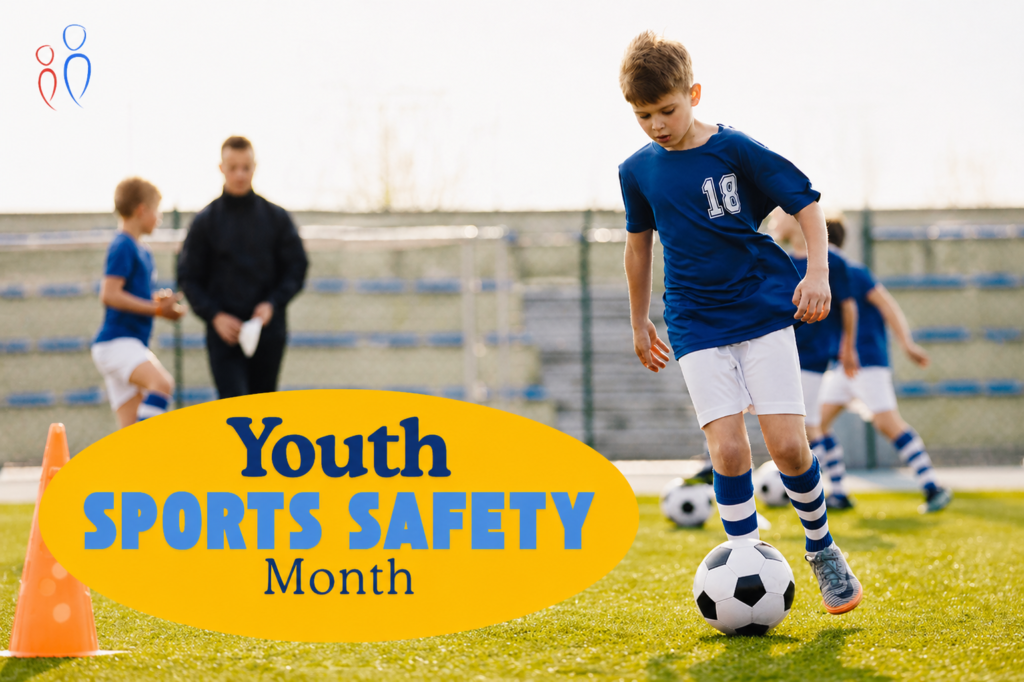
Youth Sports Safety Month highlights the importance of protecting young athletes as participation in organized and recreational sports continues to grow. For families working with a pediatrician in Sandy Springs, Georgia, East Cobb, Georgia, Marietta, Georgia, and North Atlanta, (and surrounding areas), understanding injury risks and prevention strategies is essential—especially during the spring and summer sports seasons.
Each year, millions of children in the United States participate in youth sports. While the benefits are well established—including improved physical fitness, social development, and mental health—sports-related injuries remain common and, in many cases, preventable with proper precautions.
The Scope of Youth Sports Injuries
Sports injuries are one of the leading causes of emergency department visits in children and adolescents. National data shows that approximately 3.5 million children under age 14 are treated annually for sports-related injuries in the United States.
In pediatric practices across Sandy Springs, East Cobb, and Marietta, seasonal increases in injuries are seen during peak participation months, particularly in sports such as soccer, baseball, basketball, and football.
The most common injuries include sprains, strains, fractures, and overuse injuries. However, more serious concerns—such as concussions and heat-related illness—require close attention and early recognition.
Concussions and Head Injuries
Concussions are among the most significant concerns in youth sports. A concussion is a type of traumatic brain injury caused by a blow to the head or body that disrupts normal brain function.
Studies estimate that between 1.6 and 3.8 million sports-related concussions occur annually in the United States, with a substantial portion affecting children and adolescents.
Symptoms may include headache, dizziness, confusion, sensitivity to light or noise, and difficulty concentrating. In younger athletes, symptoms may be more subtle, including irritability, changes in sleep patterns, or decreased academic performance.
Fellow pediatricians in North Fulton and Cobb County emphasize that athletes should not return to play the same day as a suspected concussion and should be medically evaluated before resuming activity.
Overuse Injuries in Growing Athletes
Overuse injuries are increasingly common in youth sports, particularly as children specialize in a single sport at an earlier age. These injuries occur from repetitive stress on muscles, bones, and joints without adequate rest.
Conditions such as stress fractures, tendonitis, and growth plate injuries are frequently seen in pediatric clinics across North Atlanta. Growth plates are areas of developing tissue at the ends of long bones, making them more vulnerable to injury in children and adolescents.
Research indicates that overuse injuries account for nearly half of all sports injuries in middle and high school athletes. These injuries are often preventable with appropriate rest, cross-training, and adherence to recommended activity limits.
Heat-Related Illness and Hydration
As temperatures rise in Georgia, heat-related illness becomes a significant risk for young athletes. Heat exhaustion and heat stroke can develop quickly, particularly during intense practices or games in high humidity.
Children are more susceptible to heat-related illness than adults because their bodies are less efficient at regulating temperature. Dehydration further increases this risk.
Our pediatricians in Sandy Springs and East Cobb often advise structured hydration plans, including regular water breaks before, during, and after activity. Recognizing early signs—such as fatigue, dizziness, nausea, and excessive sweating—is critical in preventing more serious complications.
The Role of Pre-Participation Physicals
A pre-participation physical examination, commonly referred to as a sports physical, is an important step in identifying potential health risks before a child begins a sports season.
During visits with a pediatrician in Sandy Springs, Marietta, or North Atlanta, providers assess cardiovascular health, musculoskeletal function, and overall fitness for participation. These evaluations can help identify underlying conditions that may increase injury risk.
Sports physicals also provide an opportunity to discuss injury prevention, nutrition, hydration, and safe training practices.
Protective Equipment and Injury Prevention
Proper use of protective equipment is one of the most effective ways to reduce injury risk. Helmets, mouthguards, shin guards, and appropriate footwear are all designed to protect specific areas of the body during sports activity.
Helmet use has been shown to significantly reduce the risk of head injury in sports such as football, baseball, and cycling. Mouthguards help prevent dental injuries, while sport-specific gear reduces the likelihood of fractures and soft tissue injuries.
In pediatric practices across Fulton County and Cobb County, ensuring proper fit and consistent use of equipment is a key part of injury prevention discussions.
Training, Conditioning, and Rest
Safe participation in youth sports requires a balance between training and recovery. Sudden increases in intensity, duration, or frequency of activity can increase injury risk.
Experts recommend that young athletes have at least one to two days off from organized sports each week and take breaks between seasons to allow for recovery. Strength and conditioning programs, when age-appropriate, can improve performance and reduce injury risk.
Adequate sleep is also essential. Studies show that adolescents who sleep fewer than eight hours per night have a higher risk of sports-related injuries.
What Parents Should Watch For
Parents play a critical role in identifying early signs of injury. Persistent pain, swelling, limping, or decreased performance should not be ignored. Continuing to play through pain can worsen injuries and prolong recovery.
Changes in behavior, such as reluctance to participate or increased fatigue, may also indicate underlying issues. In pediatric visits in East Cobb and North Atlanta, these symptoms are often discussed as part of injury evaluation and management.
Resources for Families in North Atlanta
Families in Sandy Springs, East Cobb, Marietta, Fulton County, and Cobb County have access to a range of resources for sports safety and injury care. Pediatricians often coordinate with sports medicine specialists, physical therapists, and athletic trainers to support recovery and safe return to play.
Local schools and youth sports organizations also play a role in implementing safety protocols, including concussion management programs and heat safety guidelines.
Youth Sports Safety Month emphasizes that while sports provide significant physical and social benefits, safety must remain a priority. For families in North Atlanta, Sandy Springs, East Cobb, and Marietta, many of the injuries seen in pediatric settings each year are preventable.
Routine care with a trusted pediatrician ensures that children are prepared for participation, properly equipped, and supported throughout the season. Early recognition, appropriate rest, and consistent safety practices can help young athletes stay healthy and active while minimizing risk.
To schedule an appointment with one of our Board-Certified pediatricians, call our office at (404) 252-4611 or conveniently request a visit via our ‘Contact Us’ form at the bottom of our homepage.