
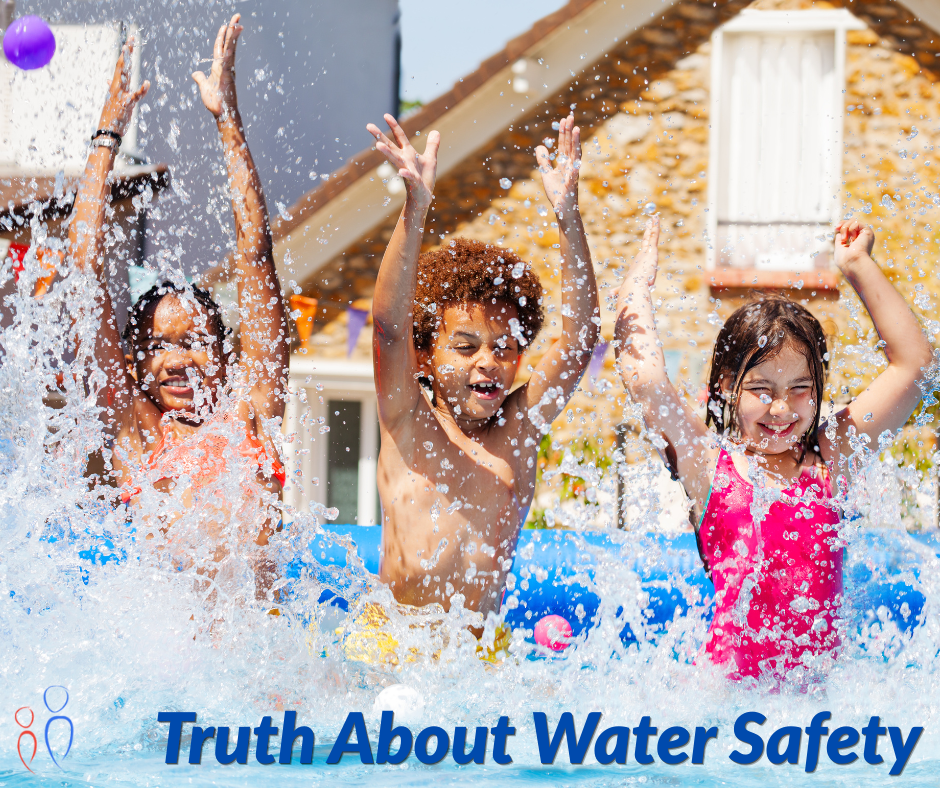
As temperatures rise and families head outdoors for pool days, beach trips, lake vacations, and backyard water play, pediatric providers often see increased conversations surrounding water safety. While swimming and water recreation provide important opportunities for exercise, confidence building, and family connection, they also carry risks that deserve careful attention.
Drowning remains one of the most serious and preventable causes of injury and death among children in the United States. According to the Centers for Disease Control and Prevention (CDC), drowning is the leading cause of death for children ages 1 through 4 and remains a leading cause of unintentional injury or death among older children and adolescents as well. These statistics can be difficult to hear, but they also highlight an important reality: many drowning incidents are preventable through awareness, supervision, preparation, and layered safety measures.
One of the greatest misconceptions surrounding drowning is the belief that it only occurs in large pools or during obvious swimming accidents. In reality, water-related tragedies can occur in a variety of environments and often happen more quickly and quietly than many people realize.
Why Drowning Continues to Be a Pediatric Safety Concern
Children are naturally curious and may be drawn to water without understanding danger or recognizing their own physical limitations. Even children who enjoy swimming or appear comfortable around water may face risks.
National safety data continue to show that drowning disproportionately affects younger children, particularly toddlers and preschool-aged children. At these ages, developmental curiosity, limited danger awareness, and rapid mobility can create circumstances where accidents occur within moments.
For older children and teenagers, different risk factors may emerge. Increased independence, peer influence, overconfidence in swimming ability, boating activities, and natural water recreation may all contribute to water-related injuries and drowning incidents.
Importantly, drowning is not limited to families who own pools or spend significant time around water. Exposure may occur unexpectedly during family gatherings, vacations, neighborhood visits, recreational outings, or even within the home environment.
Why Drowning Can Happen Quickly and Quietly
Movies and television often portray drowning as dramatic, involving loud splashing, yelling, or obvious distress. In reality, drowning is frequently silent.
When a person is struggling to breathe, the body prioritizes obtaining oxygen rather than calling for help. Children who are actively drowning may be unable to shout, wave, or signal distress.
A child may appear to be bobbing, standing upright, or simply remaining still in the water.
This is one reason drowning incidents may go unnoticed, even when adults are nearby.
Research and safety organizations continue to emphasize that drowning can happen in seconds and often during brief lapses in supervision.
Parents sometimes report being only a short distance away, believing another adult was watching, or assuming the child had safely left the water.
These circumstances underscore why supervision must remain intentional and active.
Water Risks Are Not Limited to Swimming Pools
Many parents understandably focus on pools when discussing water safety, yet drowning can occur in surprisingly small amounts of water and in settings families may not immediately recognize as hazardous.
Potential risks may include:
- Backyard swimming pools
- Community pools
- Hot tubs and spas
- Bathtubs
- Buckets and water containers
- Decorative ponds
- Retention ponds
- Creeks and rivers
- Lakes
- Ocean environments
- Splash pads and water play areas
- Portable pools
- Even shallow standing water may present danger to infants and toddlers.
- Young children have proportionally larger heads and less body control than older children and adults, increasing vulnerability if they lose balance or become trapped in a position where breathing is compromised.
Water Safety for Infants and Babies
Infants require constant, hands-on supervision around any water source.
Bath time is often viewed as a routine household activity, but it remains an important area of injury prevention.
Parents and caregivers should remain within arm’s reach during baths and avoid leaving infants unattended, even briefly. Situations such as answering the door, retrieving towels, or responding to phone calls may seem quick but can create unexpected risks.
Bath seats and support devices should not be viewed as substitutes for supervision.
Additionally, containers holding water, including buckets and larger pet bowls, may pose hazards to younger children and should be emptied or secured when not in use.
Water Safety for Toddlers and Preschoolers
Toddlers and preschool-aged children face some of the highest drowning risks.
At this age, mobility increases dramatically while judgment and danger awareness remain limited.
Children may wander toward pools or water features unexpectedly and may do so quietly.
Home pools require particular attention.
The American Academy of Pediatrics and other safety organizations recommend multiple layers of protection rather than relying on a single measure.
These may include:
- Four-sided fencing surrounding pools
- Self-closing and self-latching gates
- Pool alarms when appropriate
- Locked access points
- Removal of toys from pool areas when not in use
- A four-sided fence separating the pool from the home and yard has been shown to reduce drowning risk more effectively than fencing that encloses only part of the area.
- Parents should also remember that flotation toys, inflatables, and pool noodles do not replace supervision or approved safety devices.
Water Safety for School-Aged Children
As children grow and participate in swim lessons or recreational activities, parents may feel reassured by increasing skill levels.
Swimming ability is important and can reduce risk, but no swimmer is considered completely “drown-proof.”
School-aged children may overestimate their abilities or engage in games and underwater activities that create additional hazards.
Horseplay, diving into unfamiliar water, holding breath for extended periods, and rough play near pool edges may increase injury risk.
Parents should continue maintaining supervision, establishing clear safety rules, and encouraging children to swim with others rather than alone.
Even strong swimmers benefit from consistent reminders about water safety.
Teen Water Safety and Risk Awareness
Older children and teenagers may encounter different water-related dangers.
Open water recreation, boating, tubing, jet skis, and swimming in lakes or oceans may introduce variables that differ substantially from controlled pool environments.
Natural bodies of water may contain:
- Sudden drop-offs
- Strong currents
- Limited visibility
- Submerged hazards
- Cold water exposure
- Changing weather conditions
- Uneven surfaces
- Teenagers may also be influenced by peer pressure or increased willingness to take risks.
- Night swimming, unsupervised outings, or jumping from docks and structures may further increase injury potential.
- Open conversations about water safety, decision-making, and emergency planning remain important during adolescence.
The Importance of Life Jackets
Life jackets play a critical role in water safety, particularly around natural water and boating activities.
Parents should look for properly fitted, U.S. Coast Guard-approved life jackets designed for a child’s age and size.
Inflatable arm bands, swim rings, and foam toys should not be considered safety devices.
These products may shift, deflate, or create false confidence.
Life jackets are especially important:
- On boats
- Near lakes and rivers
- During fishing or dock activities
- For weaker swimmers
- Around unpredictable water conditions
- A properly fitted life jacket should remain snug without riding up over the child’s chin or face.
- Children should be supervised while wearing life jackets just as they would be without them.
Swim Lessons and Their Role in Prevention
Swim instruction provides valuable water familiarity and survival skills.
Research supports the role of swim lessons in reducing drowning risk, particularly among younger children, but lessons alone cannot eliminate danger.
Swimming skills develop over time and vary widely between children.
Parents sometimes assume that once lessons are completed, supervision requirements may decrease. In reality, swim lessons work best as one part of a larger safety strategy.
Children may still panic, become fatigued, misjudge water conditions, or struggle unexpectedly.
Lessons should be viewed as an added layer of protection rather than a guarantee of safety.
The “Water Watcher” Approach to Supervision
One strategy increasingly recommended by safety experts is the use of a designated “water watcher.”
A water watcher is an adult assigned solely to supervising children in or around water.
This individual avoids distractions such as:
- Phones
- Social conversations
- Reading
- Cooking
- Alcohol use
- Household tasks
- Many drowning incidents occur during gatherings when multiple adults assume someone else is watching.
- Rotating supervision responsibilities can help prevent confusion.
- Active supervision means maintaining visual attention and staying close enough to intervene quickly.
Checking Water First if a Child Is Missing
One recommendation repeated by drowning prevention organizations is simple but critical: if a child is missing, check water first.
This includes:
- Pools
- Bathtubs
- Ponds
- Retention areas
- Nearby water features
- Seconds matter during emergencies.
- Immediate water checks may shorten response time and improve outcomes.
CPR and Emergency Preparedness
Parents and caregivers do not need to wait for an emergency to prepare.
CPR training may help families feel more confident and prepared during unexpected situations.
While prevention remains the primary goal, emergency readiness is another important layer of protection.
Families with pools, frequent water exposure, or boating activities may especially benefit from CPR certification and emergency planning.
Preparedness may include:
- Knowing emergency contacts
- Keeping rescue equipment accessible
- Learning CPR
- Establishing family water rules
- Reviewing supervision expectations
Making Water Safety Part of Summer, Not a Source of Fear
Water recreation can be a joyful and healthy part of childhood. The goal of discussing drowning prevention is not to create fear or discourage swimming, but to encourage informed, proactive safety practices.
Children benefit from water experiences that combine enjoyment with supervision, skill development, and clear safety expectations.
Drowning prevention often depends on multiple protective layers working together rather than relying on any single intervention.
As families enjoy pools, vacations, lakes, splash pads, and backyard water play this season, small decisions may make meaningful differences. Remaining attentive, preparing ahead, and recognizing that drowning can happen quickly and quietly may help create safer experiences for children of all ages.
If you have questions about swim readiness, water safety, or age-appropriate guidance for your child, speak with your pediatric provider for individualized recommendations.