
Author name: Le Hung

How to Talk to Children About 9/11: Age-Appropriate Guidance for Families

For adults who remember September 11, 2001, the date may bring back unusually vivid memories: where they were, who told them and how it felt to watch the day unfold. Children growing up today experience 9/11 differently. To them, it is history—yet the images, language and emotions surrounding the anniversary can still feel immediate and […]

How to Talk to Children About 9/11: Age-Appropriate Guidance for Families Read More »

What Did They Just Say? A Thoughtful Guide to Tween and Teen Slang

Every generation of children develops language that makes adults pause. Previous generations had “groovy,” “rad,”, “wicked”,  “talk to the hand” and “all that.” Today’s children have “rizz,” “aura,” “cooked” and the almost entirely unexplainable “6-7.” The difference is not that children suddenly use more slang. It is that social media allows new expressions to travel

What Did They Just Say? A Thoughtful Guide to Tween and Teen Slang Read More »

Healthy Aging Starts in Childhood: Habits That Support Lifelong Health

Healthy Aging Month is often associated with the needs of older adults, but many of the foundations for lifelong health are established much earlier. Childhood is when bones are developing, the brain is rapidly changing and children begin forming patterns involving food, movement, sleep and preventive healthcare. Healthy habits cannot guarantee that someone will avoid

Healthy Aging Starts in Childhood: Habits That Support Lifelong Health Read More »

Sickle Cell Disease in Children: What Parents Should Know

September is Sickle Cell Awareness Month, an opportunity to improve understanding of a condition that affects approximately 100,000 people in the United States. For families raising a child with sickle cell disease, awareness means more than recognizing the name. It means understanding why symptoms occur, knowing which warning signs require immediate care and recognizing how

Sickle Cell Disease in Children: What Parents Should Know Read More »

Youth Suicide Prevention: What Sandy Springs Parents Should Know

When a child is struggling emotionally, parents often recognize that something has changed before they understand why. Their child may seem unusually quiet, irritable, exhausted or disconnected. Friends and activities that once mattered may suddenly hold little interest. A parent may know that a conversation is needed but worry about saying the wrong thing—or making

Youth Suicide Prevention: What Sandy Springs Parents Should Know Read More »

image

Childhood Cancer Awareness Month: What Families Should Know After a Diagnosis

A childhood cancer diagnosis can change a family’s life in an instant. Parents are suddenly learning unfamiliar medical language, meeting pediatric cancer specialists and making important decisions—all while trying to help their child feel safe. Childhood Cancer Awareness Month, recognized each September, is an opportunity to support children with cancer, childhood cancer survivors and the

Childhood Cancer Awareness Month: What Families Should Know After a Diagnosis Read More »

Gastroparesis Awareness Month: A Thoughtful Guide for Parents

Children frequently experience stomachaches, nausea or changes in appetite. In most cases, these symptoms are not caused by gastroparesis. When symptoms are persistent, interfere with nutrition or repeatedly cause vomiting, however, they deserve careful medical evaluation. Gastroparesis Awareness Month is an opportunity to explain this uncommon and often misunderstood digestive disorder. Gastroparesis is a medical

Gastroparesis Awareness Month: A Thoughtful Guide for Parents Read More »

Spinal Muscular Atrophy Awareness Month: A Thoughtful Guide for Parents

Spinal muscular atrophy, commonly called SMA, is a rare genetic neuromuscular condition. It primarily affects the motor neurons that control voluntary muscle movement. As these nerve cells become damaged or are lost, the muscles they control become weak and may gradually decrease in size. SMA Awareness Month is an opportunity to help families understand the

Spinal Muscular Atrophy Awareness Month: A Thoughtful Guide for Parents Read More »

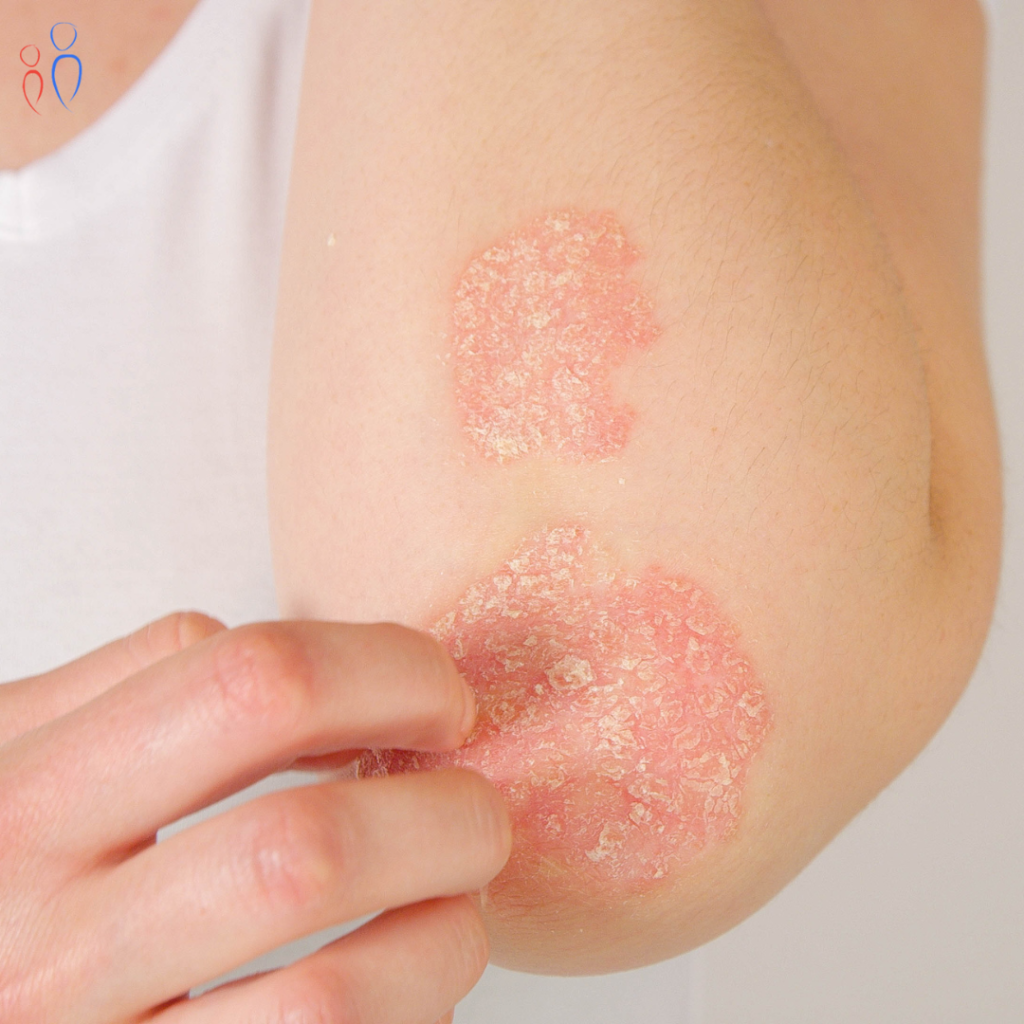
Psoriasis Awareness Month: A Thoughtful Guide for Parents

A persistent rash can affect much more than a child’s skin. Psoriasis may cause itching, discomfort and disrupted sleep, while visible patches can affect confidence, clothing choices, sports participation and social experiences. Psoriasis Awareness Month is an opportunity to explain what psoriasis is, address common misconceptions and remind families that effective treatments are available. A

Psoriasis Awareness Month: A Thoughtful Guide for Parents Read More »

Scroll to Top