
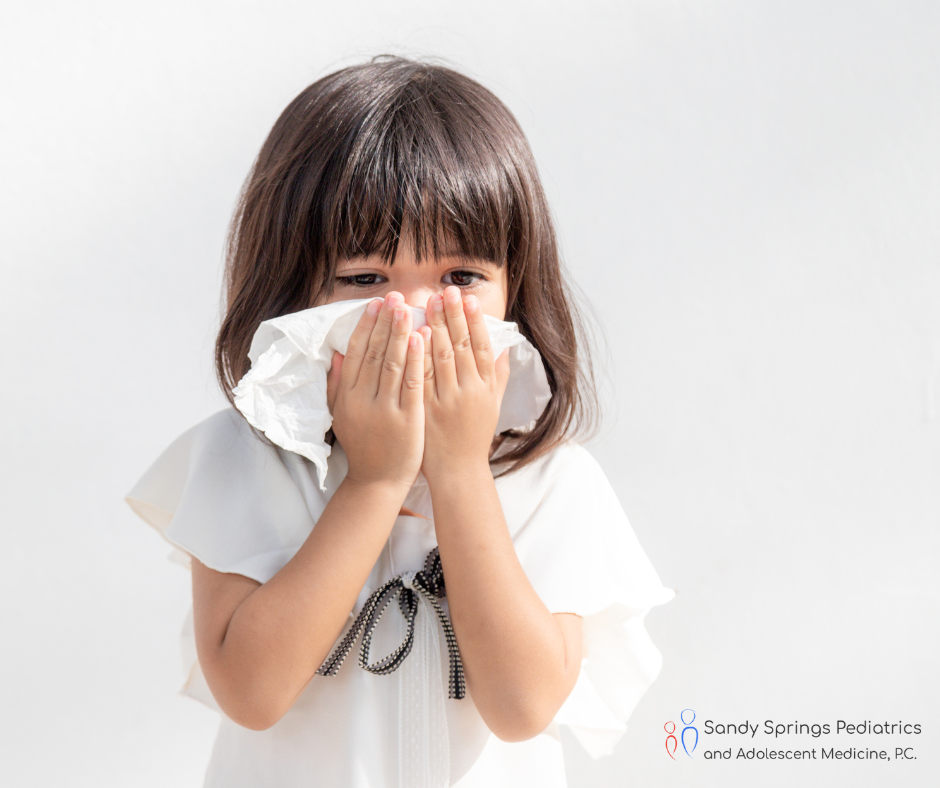
We’ve all seen the iconic moment when Marcia Brady gets hit in the face with a football and dramatically cries out, “Oh, my nose!” While it’s played for laughs on TV, nose injuries in children can leave parents wondering what’s normal, what’s not, and when to get medical attention.
With back-to-school season approaching, sports practices ramping up, and kids getting more active, it’s the perfect time to learn what to do when your child takes a hit to the face.
Common Causes of Pediatric Nose Injuries
Children are naturally curious and active, which makes them more likely to bump, bruise, and bang up their noses. Some of the most common causes include:
* Sports injuries (soccer, basketball, baseball, football, etc.)
* Rough play or falls at playgrounds
* Accidental collisions with objects or other children
* Siblings or pets (yes, a tail wag or elbow in the wrong spot happens!)
* Bicycle, scooter, or skateboarding falls
Because the nose is made of soft cartilage and bone, it’s especially vulnerable — but not all injuries are emergencies.
When to See Your Pediatrician
If your child has a minor nose injury, your pediatrician can often provide all the care they need.
Make an appointment if your child has any of the following:
* Swelling or tenderness on or around the nose
* Bruising around the nose or under the eyes
* A nosebleed that stops with pressure within 10–15 minutes
* A minor cut or scrape on the nose
* A “cracked” sound at impact but no visible deformity
* Continued mild discomfort, especially when blowing their nose
Even if the injury seems minor, it’s worth getting checked out. Your pediatrician may:
* Perform a physical exam to assess alignment
* Check for signs of septal hematoma (a rare but serious condition where blood collects in the nasal septum)
* Provide pain relief recommendations
* Refer for imaging if needed (X-ray or CT scan)
Bonus: Many pediatricians can evaluate whether it’s safe to return to sports or physical activity — especially helpful during the school year.
When to Go to the Emergency Room
Some nose injuries require more urgent care — particularly if there’s risk of facial fracture, deep tissue damage, or breathing concerns.
Go to the ER immediately if your child experiences any of the following:
* A visibly crooked or deformed nose after injury
* Heavy or persistent nosebleed that won’t stop after 15 minutes
* Blocked nasal passages or difficulty breathing through the nose
* Loss of consciousness at the time of injury (possible concussion or head trauma)
* Clear fluid leaking from the nose (could indicate cerebrospinal fluid leak)
* Severe facial pain, swelling, or headache
* Eye swelling or double vision
* Nausea, vomiting, confusion, or drowsiness after impact
Important: Children’s facial bones are still developing. A displaced nasal fracture or untreated septal hematoma can lead to permanent cosmetic or functional issues — so don’t delay seeking help when in doubt.
First Aid Tips for Parents at Home
While you’re deciding where to go, here are some basic first aid steps you can take:
- Apply a cold compress
– Use a soft towel with ice to reduce swelling.
– Apply in 10–15 minute intervals. - Keep your child upright
– Sitting up helps minimize bleeding and swelling. Avoid lying down. - Use gentle pressure for nosebleeds
– Pinch the soft part of the nose and lean slightly forward. Never tilt the head back. - Don’t let them blow their nose
– It can worsen swelling or displace any clots forming. - Manage pain carefully
– Give age-appropriate acetaminophen or ibuprofen. Avoid aspirin in children.
Why It Matters Before School Starts
Aside from comfort and health, there’s a cosmetic consideration — especially for older kids.
* School portraits are often taken within the first few weeks
* Nose fractures left untreated can result in long-term appearance changes
* Nasal obstruction can lead to snoring, sleep disturbances, or mouth breathing, which impacts focus and performance
A simple exam now could prevent months of discomfort or correction later.
Don’t Forget — We Offer Saturday Clinics!
We know that injuries don’t always happen during business hours. That’s why Sandy Springs Pediatrics offers Saturday clinic hours, perfect for those unexpected nose bumps, last-minute concerns, or pre–back-to-school checkups.
Whether it’s a sports injury, a tumble off the trampoline, or a case of “little brother elbow,” we’ve got your family covered.
Every parent has had that “Should I wait and see… or go now?” moment. Trust your instincts — and use this guide to help make the right call.
Remember:
* When in doubt but no red flags? See your pediatrician.
* Anything crooked, blocked, or bleeding heavily? Go to the ER.
* Still unsure? Give us a call — we’re happy to help guide you.
Need to schedule a visit? Contact us today or drop by our Saturday clinic to make sure your child starts school happy, healthy, and ready to smile — nose and all.