
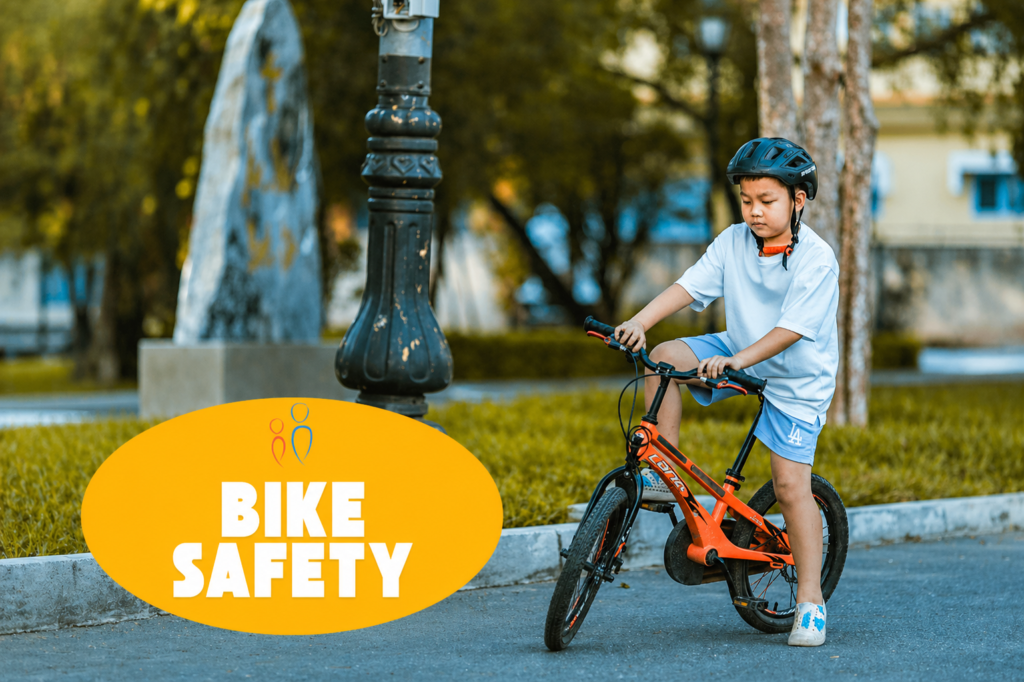
As spring and summer approach, pediatricians across Sandy Springs, Georgia, Marietta, Georgia, and East Cobb, Georgia see a predictable rise in bike and scooter-related injuries. Warmer weather means more time outdoors—but it also brings a sharp increase in emergency visits for falls, collisions, and head injuries that are often preventable with proper safety measures.
For families working with a pediatrician in North Atlanta, Cobb County, or Fulton County, understanding the risks—and how to reduce them—is critical during peak riding season.
The Reality of Pediatric Bike and Scooter Injuries
Wheeled activities like biking and scooters are among the leading causes of injury in children. National data shows that more than 400,000 children visit emergency departments each year due to bicycle-related injuries alone.
Scooters add another layer of concern. Research shows that nearly 85% of scooter-related injuries occur in children under age 15, making this a distinctly pediatric issue.
More recently, injuries related to e-scooters have risen significantly. A national dataset identified over 2,100 pediatric e-scooter injuries between 2020 and 2024, with the highest rates in pre-teens and early adolescents.
Children under 14 account for about 36% of all micromobility injuries, despite representing a much smaller portion of the population.
These injuries are not limited to minor scrapes. Head trauma is one of the most common and serious outcomes. Studies show that over 60% of pediatric scooter injuries involve the head, highlighting the importance of protective equipment.
In pediatric practices across Sandy Springs and East Cobb, these trends are seen every year—especially between March and August.
How Many of These Injuries Are Preventable
A significant percentage of these injuries could be reduced—or avoided entirely—with proper precautions.
Research shows that more than 60% of scooter injuries could be prevented or reduced in severity with protective gear, including helmets.
Helmet use alone has a profound impact. Studies consistently show that helmets reduce the risk of head injury by 65% to 88% and severe brain injury by up to 75%.
Despite this, helmet use remains low. In some pediatric studies, only about one-third of children injured on scooters were wearing a helmet at the time of injury.
This gap between risk and prevention is one of the most important areas pediatricians in North Fulton and Cobb County focus on during spring and summer visits.
Proper Helmet Fit: What Pediatricians Recommend
Wearing a helmet is critical—but wearing the right helmet, correctly fitted, is what provides protection.
A properly fitted helmet should sit level on the head, covering the forehead without tilting back. It should rest about one to two finger-widths above the eyebrows. The straps should form a “V” shape under each ear and fasten snugly under the chin.
A useful way to check fit includes three key steps often recommended by pediatric safety experts:
- The helmet should not move more than one inch in any direction
- The straps should be snug but comfortable
- The child should be able to open their mouth fully without the helmet shifting
Helmets should meet U.S. Consumer Product Safety Commission (CPSC) standards and be replaced after any crash or every few years as children grow.
For families seeing a pediatrician in Sandy Springs or Marietta, helmet fit is often reviewed during seasonal safety discussions—especially for younger children who may outgrow equipment quickly.
Why Head Injuries Matter More in Children
Children are particularly vulnerable to head injuries because their brains are still developing. Even mild traumatic brain injuries can affect attention, memory, behavior, and learning.
Research has shown that early-life traumatic brain injuries can have lasting effects on cognitive and emotional development. This makes prevention especially important in pediatric populations.
In clinical settings across North Atlanta pediatric practices, head injuries from falls—particularly without helmets—are one of the most common preventable injuries seen each year.
Additional Risk Factors Pediatricians See
In addition to helmet use, several common factors increase injury risk:
- Riding on uneven surfaces or near traffic
- Lack of supervision for younger children
- Use of motorized scooters at high speeds
- Distractions such as headphones or mobile devices
- Riding at dusk or night with reduced visibility
Electric scooters introduce additional risk due to higher speeds, often reaching 15–25 mph, which significantly increases injury severity in a crash.
For this reason, the American Academy of Pediatrics advises that younger children should not operate motorized scooters.
What Parents Should Discuss With Their Pediatrician
During visits with a pediatrician in East Cobb, Sandy Springs, or North Atlanta, parents are encouraged to discuss safety habits, especially as children become more independent.
Topics may include:
- Age-appropriate riding guidelines
- Helmet use and fit
- Safe riding environments
- Readiness for scooters or bikes
- Injury prevention strategies
These conversations are a routine part of pediatric care and help reduce seasonal injury spikes.
Creating Safer Riding Habits at Home
Prevention starts with consistency. Children are more likely to wear helmets and follow safety rules when expectations are clear and reinforced regularly.
Parents should ensure that helmets are worn every time—regardless of distance or location. Establishing this as a non-negotiable habit significantly reduces risk.
Designating safe riding areas, supervising younger children, and modeling safe behavior all contribute to long-term habits that carry into adolescence.
Bike and scooter season is a time for activity, independence, and outdoor play—but it also represents one of the most preventable sources of pediatric injury.
For families in Sandy Springs, East Cobb, Marietta, and North Atlanta, the data is clear: a large percentage of injuries seen in pediatric offices and emergency departments each year could be reduced with proper precautions—especially helmet use.
Routine visits with a trusted pediatrician provide an opportunity to review safety practices, ensure proper equipment fit, and reinforce habits that protect children during one of the most active times of the year.
Simple steps taken early in the season can significantly reduce the risk of injury—and help keep kids safe while enjoying the months ahead.