
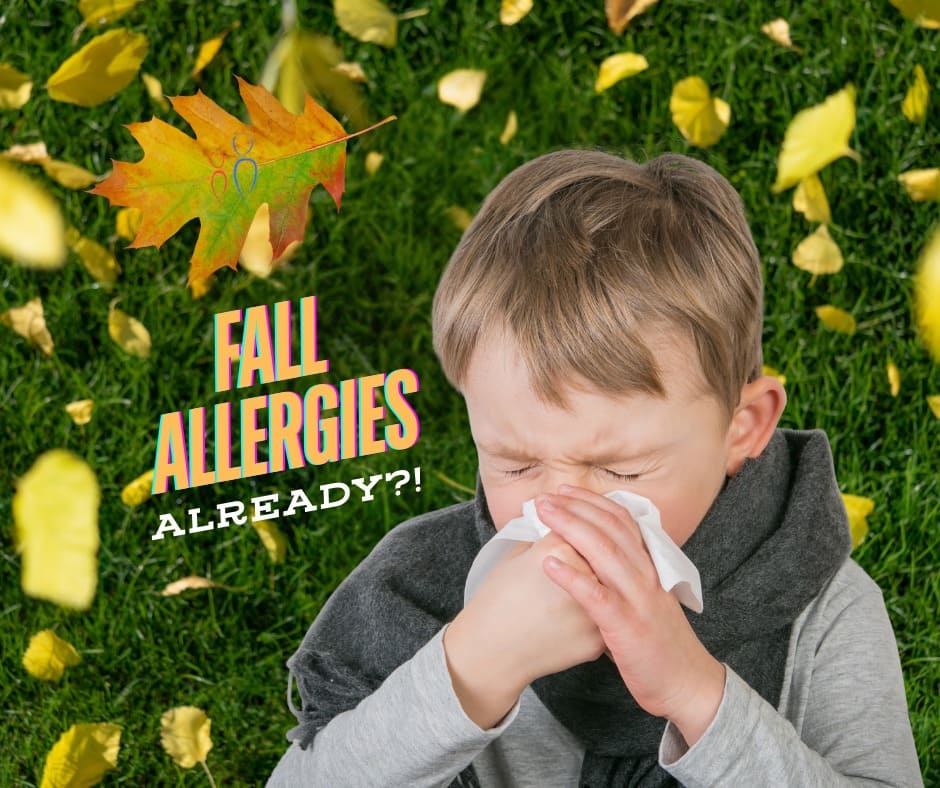
A shift in timing: Why allergy symptoms may appear before “fall”
In Atlanta — and broadly across the Southeast — the line between “summer” and “fall” allergies often blurs. Even before calendar autumn begins, children and adults may begin experiencing sneezing, congestion, itchy eyes, and other symptoms. Several factors contribute:
- Early ragweed pollen release: Ragweed (Ambrosia species) is the dominant “weed pollen” allergen in fall. In the Atlanta area, ragweed begins to bloom and shed pollen from about August through November, with pollen counts often peaking in mid-September.
- Mold spores from decaying vegetation: As late summer heats yield higher humidity, mold growth in soil, leaf litter, and decomposing matter can intensify. Mold spores become airborne in late summer and early fall, adding to total allergen load.
- Extended warm periods and climate dynamics: Warmer, longer growing seasons mean that plants may pollinate earlier and maintain allergen release longer into the fall. News sources report record or unusually high pollen counts already in early/mid-September 2025 in metro Atlanta.
- Overlap of summer and fall allergens: Some grasses or late-blooming trees may still contribute pollen into early September; in certain years, “fall elm” pollen has been observed in September in Atlanta.
Thus, by September 2025, families in Atlanta are already seeing moderate to high pollen and mold counts — indeed, local allergists and news outlets note the city is experiencing “high or extremely high counts of pollens and mold” as fall “arrives early.” In other words: the allergy season is beginning earlier than many expect.
What allergen triggers are heightened in September 2025 in Atlanta
Here are the main culprits to watch:
Allergen Type | Description & Timing in Atlanta | Why It Matters in September 2025 |
Ragweed (weed pollen) | Ragweed blooms from August into November; mid-September is often peak. | In September 2025, ragweed pollen is already contributing major allergenic load in the air—triggering symptoms in susceptible children. |
Mold spores (outdoor & indoor molds) | Warm, humid weather and decaying leaves promote mold spore release outdoors; indoor dampness can harbor mold as well. | Mold activity is also elevated in 2025, compounding symptoms alongside pollen. |
Residual tree and grass pollen | In some years, late-blooming tree species (e.g. “fall elm”) contribute pollen into September. | These residual pollens add to the “cocktail” of allergens, widening the range of triggers. |
Because of these overlapping allergens already present, children in Atlanta may suffer from earlier onset of classic seasonal allergy symptoms—including nasal congestion, sneezing, itchy eyes, runny nose, post-nasal drip, cough, and in predisposed children, asthma exacerbations.
Indeed, local reporting confirms increased flare-ups in September 2025:
“Metro Atlanta is already seeing high or extremely high counts of pollens and mold as fall arrives [in] September 2025.”
Allergy season in Georgia is typically said to end around late September to early October, though that can vary with weather and plant behavior.
Therefore, it’s prudent for parents and pediatric practices to anticipate symptoms earlier and begin mitigation sooner.
How Fall Allergies Can Affect Children (and Interact with Asthma)
Children’s immune systems are sensitive, and seasonal allergens can trigger:
- Allergic rhinitis (hay fever): Itching of nose, sneezing, congestion, runny nose, post-nasal drip.
- Allergic conjunctivitis: Red, itchy, watery eyes.
- Sinus symptoms: Pressure, headache, nasal discharge.
- Cough and throat irritation, particularly from post-nasal drip.
- Asthma exacerbations: In children with underlying asthma, pollen or mold exposure can provoke wheezing, shortness of breath, and increased use of rescue inhalers or more frequent asthma attacks.
- Sleep disturbances: Nasal congestion can interfere with restful sleep.
- Reduced quality of life: Missed school days, reduced outdoor play, irritability, fatigue.
Because children’s respiratory tracts are smaller and more reactive, even relatively modest allergen loads can trigger disproportionate symptoms compared to adults.
Given that many kids begin school or resume full schedules in September, elevated allergen exposure at this time can significantly impact their health, concentration, and comfort.
Mitigating Allergic Reactions in Children: Practical, Evidence-Based Strategies
Below is a detailed, “parent-friendly but medically grounded” toolkit to help mitigate fall allergy reactions in children, especially in Atlanta’s early allergen surge.
1. Monitor and anticipate: Know the pollen and mold forecasts
- Check daily pollen & mold indices: Local Atlanta allergists publish daily counts.
- Use allergy apps or weather reports that include pollen alerts or forecasts.
- On high pollen / mold days, limit outdoor exposure, especially during the worst times (early morning, late afternoon).
2. Limit exposure outdoors during peak times
- Avoid outdoor play or exercise between ~5 a.m.–10 a.m. when pollen release tends to be highest.
- After storms or heavy winds, pollen levels may spike — consider keeping kids indoors for a bit afterward.
- Avoid mowing the lawn or yard work with children around; such chores stir up allergens.
- Choose low-pollen days for outdoor activities whenever possible.
3. Create “clean air zones” inside the home and car
- Keep doors and windows closed during high pollen times, both at home and in vehicles.
- Use air conditioning in “recirculate” mode, with high-efficiency filters, to reduce bringing outdoor allergens inside.
- Invest in HEPA (High Efficiency Particulate Air) filters / purifiers for bedrooms or main living spaces. Studies show mechanical interventions help reduce indoor allergen load and improve respiratory health in children.
- Use allergen-proof mattress and pillow covers to reduce dust mite and other indoor allergen-triggered baseline inflammation.
- Clean regularly: vacuum with HEPA-filter vacuums, mop floors, dust surfaces with micro-fiber cloths.
- Wash bedding weekly in hot water to dislodge allergens.
- Avoid hanging laundry outdoors to dry, since pollen can cling to sheets, towels, and clothes.
4. Personal hygiene strategies to remove allergens
- Shower, wash hair, and change clothes upon returning indoors: This helps remove pollen that clings to skin, hair, and garments.
- Glasses or sunglasses outdoors: Wearing wraparound glasses helps reduce pollen in the eyes.
- Avoid rubbing eyes or nose vigorously, which may worsen irritation.
- Rinse nasal passages (i.e. saline nasal rinses) after outdoor exposure may help clear allergens. Many pediatricians recommend it in conjunction with other treatments.
5. Use of medication and medical interventions (under guidance of a pediatrician/allergist)
When non-pharmacologic measures are insufficient, medications or other interventions may help. Before starting, it’s important to consult your child’s pediatrician or an allergist. Here are common options:
Intervention | Role / Mechanism | Notes & Caveats |
Oral antihistamines (over-the-counter or prescription) | Block histamine receptor activity, reducing sneezing, itching, runny nose | Non-sedating antihistamines (e.g. cetirizine, loratadine) are often favored; always verify age-appropriate dosing. |
Intranasal corticosteroid sprays | Help reduce nasal inflammation, congestion, swelling | Often effective when used regularly (not just “when symptoms hit”). May take days to reach full effect. |
Intranasal antihistamine sprays or combination sprays | Target local nasal allergy inflammation with antihistamine activity | Useful adjunct in moderate/severe cases. |
Ocular (eye) antihistamine or mast cell stabilizer drops | Reduce eye itching, redness, tearing | Good option when eye symptoms are pronounced. |
Leukotriene receptor antagonists (e.g. montelukast) | Especially helpful when asthma or nasal symptoms coexist | Use only under medical supervision. |
Allergen immunotherapy (allergy shots or sublingual immunotherapy) | Gradually expose the immune system to small doses of allergen to build tolerance over time | Effective in many cases of allergic rhinitis; benefits may last beyond treatment period. |
Combination therapy | Using more than one type (e.g. nasal steroid + antihistamine) under physician supervision, for moderate to severe symptoms | Must balance with side effect profiles, especially in children. |
It’s especially important to treat early: starting preventive therapy before the peak pollen season can blunt the full intensity of symptoms.
6. Allergy testing and specialist referral
If a child has persistent, uncontrolled allergy symptoms or asthma exacerbations, consider:
- Allergy (skin or blood) testing: To identify specific allergen sensitivities (e.g. ragweed, molds, grasses). This allows more targeted avoidance or immunotherapy.
- Referral to a pediatric allergist/immunologist: For advanced management options, including immunotherapy or more complex regimens.
- Personalized action plans: For children with asthma or severe allergic rhinitis, having a written plan for symptom worsening helps parents/schools respond early.
7. School and childcare coordination
Since children spend much of their day at school or daycare:
- Inform school/teachers about your child’s allergies.
- Provide an action plan or physician note outlining triggers, symptoms, and medications.
- Work with school nurses to ensure your child’s medications (nasal sprays, antihistamines, inhalers) are accessible.
- Encourage measures such as indoor recess on high-pollen days, keeping windows closed in classrooms or buses, and using HVAC filtration.
8. Lifestyle & supportive measures
- Maintain a clean indoor environment (minimize clutter, reduce carpets or rugs where possible).
- Humidity control: Use dehumidifiers in damp rooms to limit indoor mold growth.
- Healthy habits: Good sleep, hydration, nutrition, and baseline control of asthma or nasal conditions help buffer allergic burden.
- Avoid exposure to irritants such as tobacco smoke, strong odors, or air pollution, which can worsen respiratory symptoms.
Summary & Recommendations for 2025
- In September 2025, Atlanta is already seeing moderate to high pollen and mold activity, ahead of full “fall season.”
- The primary allergenic triggers are ragweed pollen and mold spores, plus residual tree or grass pollens in some years.
- Children are especially vulnerable to seasonal allergic rhinitis, conjunctivitis, sinus symptoms, and asthma flare-ups.
- A multi-pronged approach — anticipatory planning, environmental control, personal hygiene, medications as needed, and specialist referral — is most effective.
- Parents should start early, coordinate with schools, and consult pediatric/allergy specialists when baseline measures don’t suffice.
To schedule an appointment with one of our Board-Certified pediatricians, call our office at (404) 252-4611 or conveniently request a visit via our ‘Contact Us’ form at the bottom of our homepage.