
How Pediatric Preventive Care in Sandy Springs and East Cobb Helps Reduce Lifetime Cancer Risk
When North Atlanta parents think about cancer prevention, they often think about adult screenings. But many of the most powerful cancer-prevention tools actually begin in childhood. From life-saving vaccines to sun protection, healthy growth, and early recognition of concerning symptoms, pediatric primary care plays a central role in lowering lifetime cancer risk and identifying problems early — when they are most treatable.
For families in Sandy Springs, East Cobb, Roswell, and the surrounding communities, the well-child visit is where this prevention happens. Even when a child is growing and developing normally, these annual exams allow us to track long-term health patterns, provide cancer-preventing immunizations, and make sure that any unusual symptoms are evaluated quickly and appropriately.
Understanding Childhood Cancer: Why Early Recognition Matters
Childhood cancer is rare, but it remains one of the leading causes of disease-related death in children in the United States. The most common types — leukemia, brain tumors, lymphoma, neuroblastoma, and Wilms tumor — typically do not have a single screening test for healthy children without symptoms.
That is why continuity of care in a pediatric medical home is so important.
When a child is seen regularly in the same practice:
- Growth trends are easier to recognize
- Subtle changes in energy or appearance are more noticeable
- Parent concerns can be evaluated in context
- Persistent symptoms are identified earlier
If something requires further evaluation, referral to pediatric oncology — often through CHOA for families in the North Atlanta region — happens quickly and in a coordinated way.
Early diagnosis is one of the most important factors in improving outcomes.
Cancer Prevention Milestones by Age
Infancy: The First Cancer-Preventing Vaccine
Cancer prevention begins at birth with the hepatitis B vaccine, which protects against chronic hepatitis B infection — a major cause of liver cancer later in life.
During infancy, pediatric visits focus on:
- Monitoring healthy growth and weight gain
- Identifying unusual abdominal masses
- Evaluating for persistent pallor or bruising
- Supporting immune system development through routine immunizations
These visits also establish the long-term relationship that allows changes to be recognized quickly in the future.
Toddler and Preschool Years: Growth Patterns and Physical Exams
In early childhood, there are no routine cancer screening tests — but there is careful surveillance through:
- Comprehensive physical examinations
- Growth chart tracking
- Developmental monitoring
At this stage, pediatricians evaluate for persistent lymph node enlargement, unexplained fevers, chronic bone pain, or changes in energy level. These symptoms are usually caused by common childhood illnesses, but when they follow a concerning pattern, further testing is arranged.
For busy families in Sandy Springs and East Cobb, where children are in daycare, preschool, and group activities, having a consistent medical home ensures that these patterns are not missed.
Elementary School Age: Building Habits That Lower Future Cancer Risk
Many of the behaviors that influence adult cancer risk begin in elementary school. During well visits, we focus on:
- Healthy weight and BMI trends
- Physical activity levels
- Nutrition patterns
- Limiting sugar-sweetened beverages and ultra-processed foods
- Sun safety for skin cancer prevention
Ultraviolet exposure in childhood is strongly associated with melanoma risk later in life. Daily sunscreen use, protective clothing, and avoiding peak sun hours are some of the most effective cancer-prevention strategies we discuss with North Atlanta families — especially those spending long hours outdoors in sports and summer activities.
Adolescence: The HPV Vaccine and Long-Term Cancer Prevention
One of the most significant cancer-prevention milestones in pediatrics occurs at ages 11–12, when the HPV vaccine is recommended.
This vaccine protects against cancers that develop later in life, including:
- Cervical cancer
- Oropharyngeal (throat) cancer
- Anal cancer
- Penile cancer
It is most effective when given on schedule, before exposure to the virus.
Adolescent preventive visits also include:
- Counseling on tobacco and vaping avoidance
- Reinforcement of sun protection
- Nutrition and physical activity guidance
- Monitoring for persistent symptoms such as chronic headaches, unexplained weight loss, or prolonged fatigue
These visits represent a critical window for reducing lifetime cancer risk.
The Role of Family History and Genetic Risk
At every well visit, family history is updated. This allows us to identify children who may benefit from:
- Earlier monitoring
- Referral for genetic counseling
- Closer coordination with pediatric specialists
For families receiving care through the CHOA network, this coordination ensures that children with increased risk are followed using evidence-based guidelines.
Why Continuity of Care Matters in North Atlanta
In fast-growing communities like Sandy Springs, East Cobb, and Roswell, families often have access to urgent care and retail clinics. While these settings play a role in treating acute illness, they do not replace the value of a long-term pediatric relationship.
Cancer prevention and early detection depend on:
- Seeing the same physician over time
- Tracking growth year after year
- Recognizing subtle changes
- Having a trusted place to bring concerns
This continuity is what allows early action when something does not seem right.
Healthy Habits That Protect Children Now — and as Adults
The most effective way to reduce cancer risk across a lifetime is to build healthy patterns early.
For North Atlanta families, that means:
- Prioritizing sleep despite busy academic and activity schedules
- Encouraging daily physical activity, not just organized sports
- Packing balanced school lunches
- Choosing water over sugar-sweetened beverages
- Practicing consistent sun protection
These habits improve immune function, support healthy growth, and lower the risk of multiple chronic diseases.
A Preventive Partnership with Families
In pediatrics, cancer prevention is not about ordering routine screening tests for every child. It is about:
- Delivering cancer-preventing vaccines on schedule
- Monitoring growth and development
- Recognizing concerning patterns early
- Coordinating quickly with pediatric oncology when needed
- Guiding families toward lifelong healthy behaviors
For families in Sandy Springs, East Cobb, and throughout North Atlanta, the well-child visit is one of the most powerful tools for protecting long-term health.
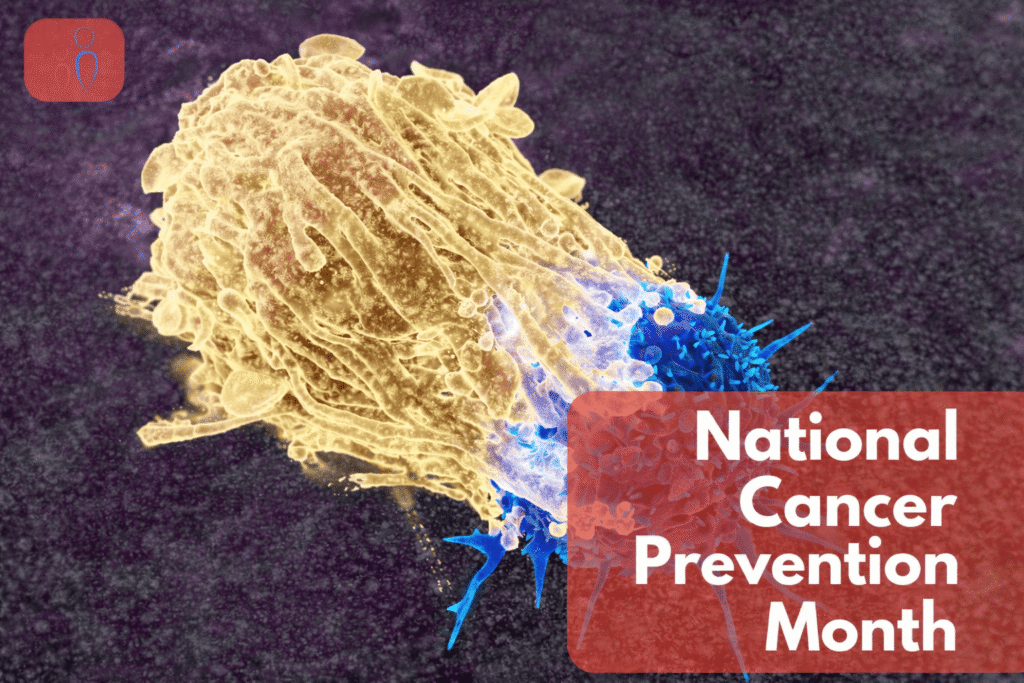
National Cancer Prevention Month is a reminder that the steps taken in childhood — vaccinations, sun protection, healthy growth, and early evaluation of symptoms — are the ones that shape a lifetime of reduced cancer risk.
Prevention begins early. And it happens one checkup at a time.