
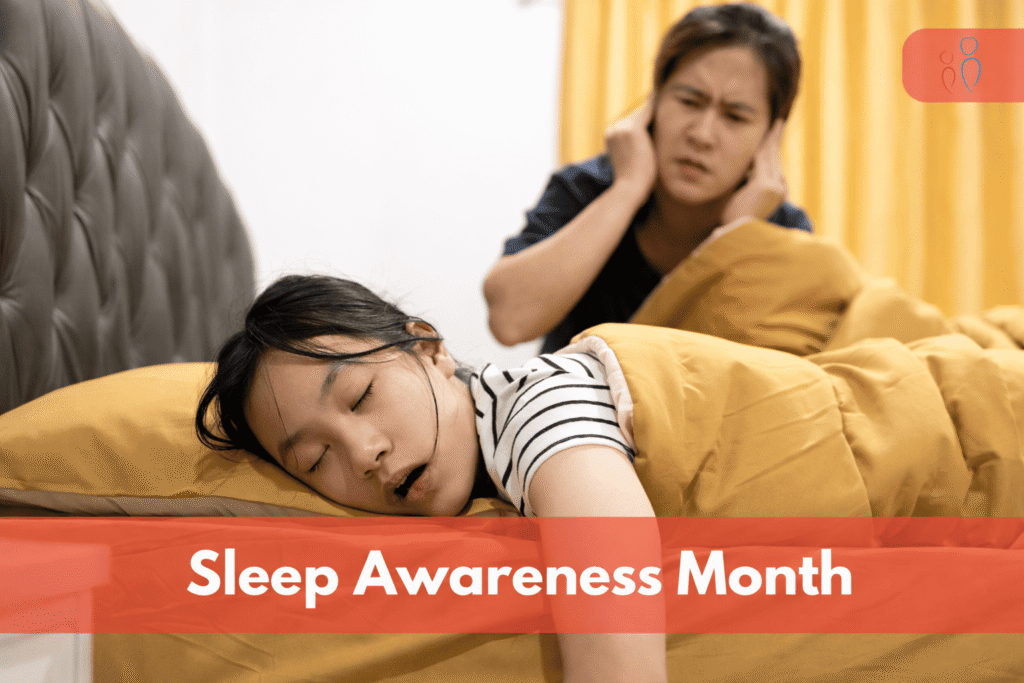
March is National Sleep Awareness Month, an opportunity to highlight how essential sleep is for children’s physical health, cognitive development, and emotional well-being. In fast-growing communities like Sandy Springs, East Cobb, and North Atlanta, busy school schedules, extracurricular activities, and screen exposure are increasingly impacting how much—and how well—children sleep.
At Sandy Springs Pediatrics, we regularly speak with parents across North Fulton about sleep concerns, ranging from difficulty falling asleep to daytime fatigue and behavioral changes. Sleep is not simply rest—it is a critical biological process that directly affects a child’s growth, learning, and long-term health.
How Much Sleep Do Children Actually Need?
Sleep needs vary by age, but national pediatric guidelines provide clear ranges. School-age children typically require 9 to 12 hours of sleep per night, while younger children need even more. Despite this, studies consistently show that many children in the United States, including those in the Atlanta area, are not meeting recommended sleep durations.
Chronic sleep deprivation in children has been linked to difficulty concentrating, decreased academic performance, mood changes, and increased risk of long-term health concerns. Even small, consistent deficits in sleep can accumulate over time and impact daily functioning.
Why Sleep Is So Important for Growing Children
During sleep, a child’s body is actively supporting growth and development. Growth hormone is primarily released during deep sleep, making adequate sleep essential for physical development. The brain also uses this time to consolidate memory, process new information, and regulate emotions.
Children who do not get enough sleep may struggle with attention, problem-solving, and impulse control. In some cases, sleep deprivation can present similarly to attention-related concerns, which is why evaluating sleep habits is an important part of pediatric care.
Sleep also plays a role in immune function. Children who are consistently sleep-deprived may be more susceptible to common illnesses, which is especially relevant during school seasons in North Atlanta and surrounding communities.
Common Sleep Challenges in School-Age Children
In pediatric practices across Sandy Springs and East Cobb, several patterns are frequently seen. Difficulty falling asleep is one of the most common concerns, often related to inconsistent bedtime routines or increased screen time in the evening. Blue light exposure from devices can interfere with melatonin production, making it harder for children to fall asleep naturally.
Nighttime awakenings, anxiety at bedtime, and early morning fatigue are also commonly reported. As children get older, academic pressures and social dynamics can begin to affect sleep quality, even if total sleep time appears adequate.
Irregular schedules, especially on weekends, can disrupt a child’s internal clock. This inconsistency often makes weekday mornings more difficult and can contribute to ongoing sleep challenges.
The Impact of Screen Time on Sleep
One of the most significant factors affecting pediatric sleep today is screen exposure. Devices such as tablets, phones, and televisions emit blue light, which can delay the body’s natural sleep signals.
In many families across Atlanta and North Fulton, children are using screens close to bedtime, which has been shown to reduce both sleep duration and sleep quality. Limiting screen use in the hour leading up to bedtime is one of the most effective changes parents can implement.
Signs Your Child May Not Be Getting Enough Sleep
Sleep deprivation in children is not always obvious. Instead of appearing tired, children may become more irritable, hyperactive, or emotionally reactive. Difficulty waking in the morning, trouble focusing at school, and frequent complaints of fatigue are all potential indicators.
Some children may also experience headaches, changes in appetite, or decreased motivation. Because these symptoms can overlap with other concerns, sleep is an important factor to evaluate when parents notice changes in behavior or school performance.
Healthy Sleep Habits for Families in Sandy Springs & North Atlanta
Establishing consistent routines is one of the most effective ways to support healthy sleep. A predictable bedtime and wake time, even on weekends, helps regulate a child’s internal clock. Creating a calm, screen-free wind-down period before bed allows the body to transition naturally into sleep.
The sleep environment also matters. A quiet, dark, and comfortable room supports better sleep quality. For active children in East Cobb and North Fulton who participate in sports and after-school activities, ensuring adequate downtime in the evening is equally important.
When to Talk to a Pediatrician About Sleep
If a child consistently struggles with falling asleep, staying asleep, or waking rested, it may be time to speak with a pediatrician. Ongoing sleep difficulties can affect academic performance, mood, and overall health.
At Sandy Springs Pediatrics, we help families throughout Sandy Springs, East Cobb, and North Atlanta evaluate sleep patterns and identify contributing factors. In some cases, sleep concerns may be related to underlying medical or behavioral conditions that benefit from further evaluation.
Supporting Better Sleep During National Sleep Awareness Month
National Sleep Awareness Month is a reminder that sleep is foundational to a child’s health. Small, consistent changes can have a meaningful impact on how children feel, learn, and function each day.
If you have concerns about your child’s sleep or are looking for guidance on improving sleep habits, our team at Sandy Springs Pediatrics is here to help.
You can call our office or conveniently request an appointment online to discuss your child’s sleep and overall wellness.