
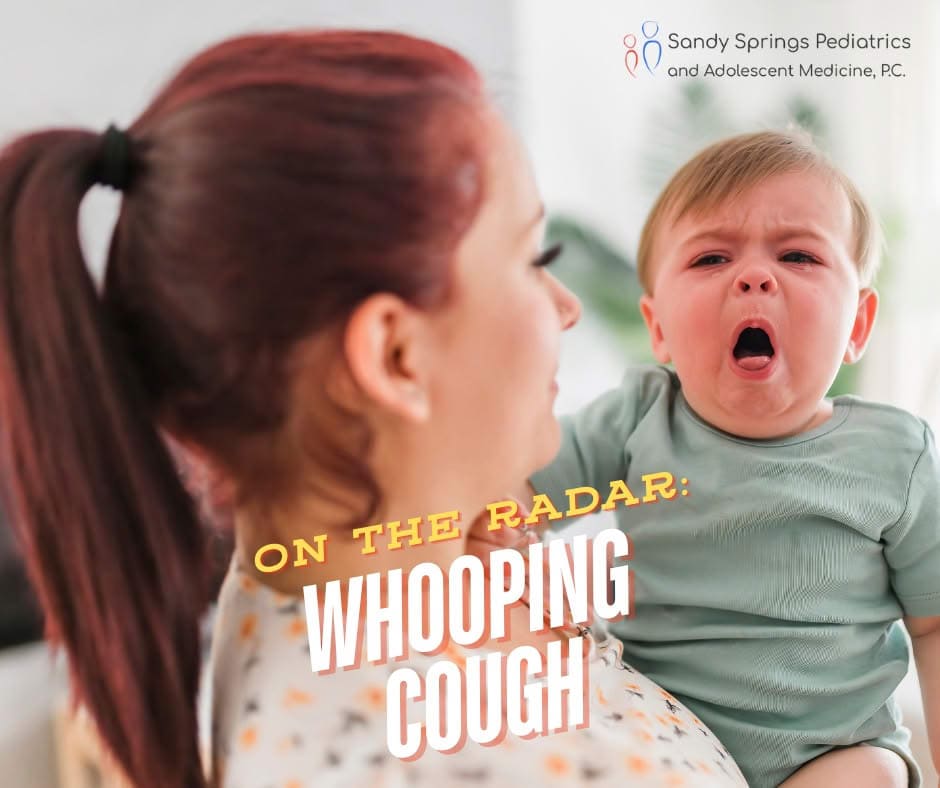
Why Whooping Cough Is Making Headlines This Fall
Whooping cough, or pertussis, is a highly contagious bacterial infection that affects the lungs and airways. Caused by Bordetella pertussis, it is best known for severe coughing fits followed by a high-pitched “whoop” sound when a child breathes in. The American Academy of Pediatrics (AAP) has recently flagged a potential new wave of cases in the U.S., with numbers remaining higher than pre-pandemic lows. This reminder is especially important in Atlanta, Georgia, where schools, daycare centers, and community activities place children in close contact during the fall season.
Why Infants Are Most at Risk
Infants under 12 months old are especially vulnerable to pertussis. Their airways are small, and prolonged coughing fits can make it difficult for them to breathe, eat, or sleep. In some cases, babies may even pause breathing (apnea). Serious complications can include pneumonia, seizures, brain inflammation, or even death. According to the CDC, most deaths from pertussis occur in babies too young to have completed the vaccine series.
That’s why early recognition and prevention through vaccination are key.
Symptoms of Whooping Cough
Pertussis often starts like a common cold, but the cough lingers and worsens:
- Early stage (catarrhal stage, 1–2 weeks):
- Runny nose, mild cough, low-grade fever
- Easily mistaken for a cold
- Runny nose, mild cough, low-grade fever
- Paroxysmal stage (1–6 weeks, sometimes longer):
- Severe coughing fits, sometimes followed by a “whoop” sound
- Vomiting after coughing
- Exhaustion after fits
- Apnea (pauses in breathing), especially in infants
- Severe coughing fits, sometimes followed by a “whoop” sound
- Recovery stage (weeks to months):
- Gradual improvement
- Coughing spells may return with new infections
- Gradual improvement
How Whooping Cough Spreads
Pertussis spreads easily through droplets when an infected person coughs or sneezes. A single contagious child or adult can infect many others. Because protection from the vaccine wanes over time, teens and adults can unknowingly spread the infection to infants or children who aren’t fully protected yet.
The Role of Vaccination: DTaP and Tdap
Vaccines are the most effective tool we have to prevent whooping cough. The DTaP vaccine (diphtheria, tetanus, acellular pertussis) is given in early childhood, while Tdap is the booster for preteens, teens, and adults.
Routine pediatric DTaP schedule (per CDC and AAP):
- 2 months
- 4 months
- 6 months
- 15–18 months (booster)
- 4–6 years (booster before school entry)
Adolescent & adult booster (Tdap):
- 11–12 years: preteen booster
- Every pregnancy: pregnant patients should receive Tdap in the third trimester of each pregnancy to help pass protective antibodies to the newborn.
- Adults: recommended at least once if not previously given.
This layered protection helps safeguard infants who are too young to complete the full vaccine series.
What Atlanta Families Should Do
- Check your child’s vaccine record.
- If your child has missed or is due for a DTaP booster, schedule a well visit at Sandy Springs Pediatrics.
- Our team can review your child’s immunization status and ensure they are on track.
- If your child has missed or is due for a DTaP booster, schedule a well visit at Sandy Springs Pediatrics.
- Pregnant patients, protect your baby before birth.
- Receiving Tdap during pregnancy is one of the most effective ways to protect newborns during their first months of life.
- Receiving Tdap during pregnancy is one of the most effective ways to protect newborns during their first months of life.
- Be alert to symptoms.
- If your child develops a persistent cough — especially if it leads to vomiting, whooping sounds, or breathing pauses — call your pediatrician right away.
- If your child develops a persistent cough — especially if it leads to vomiting, whooping sounds, or breathing pauses — call your pediatrician right away.
- Limit exposure.
- Encourage good hand hygiene.
- Keep children home when sick to avoid spreading illness at schools and daycares.
- Encourage good hand hygiene.
Why It Matters This Fall in Atlanta
As schools are fully back in session and respiratory illnesses surge each fall, pediatric infectious disease experts are warning of increased pertussis circulation. Compared with the pandemic years — when many respiratory diseases temporarily dipped — cases are now trending higher. Staying current on vaccines and remaining vigilant helps Atlanta families prevent outbreaks and protect the most vulnerable: infants and young children.
At Sandy Springs Pediatrics, we have served Atlanta families for more than 50 years. Protecting children from preventable illnesses like whooping cough is central to our mission. If your child is due for a DTaP booster — or if you’re unsure — call us today at (404) 252-4611.