
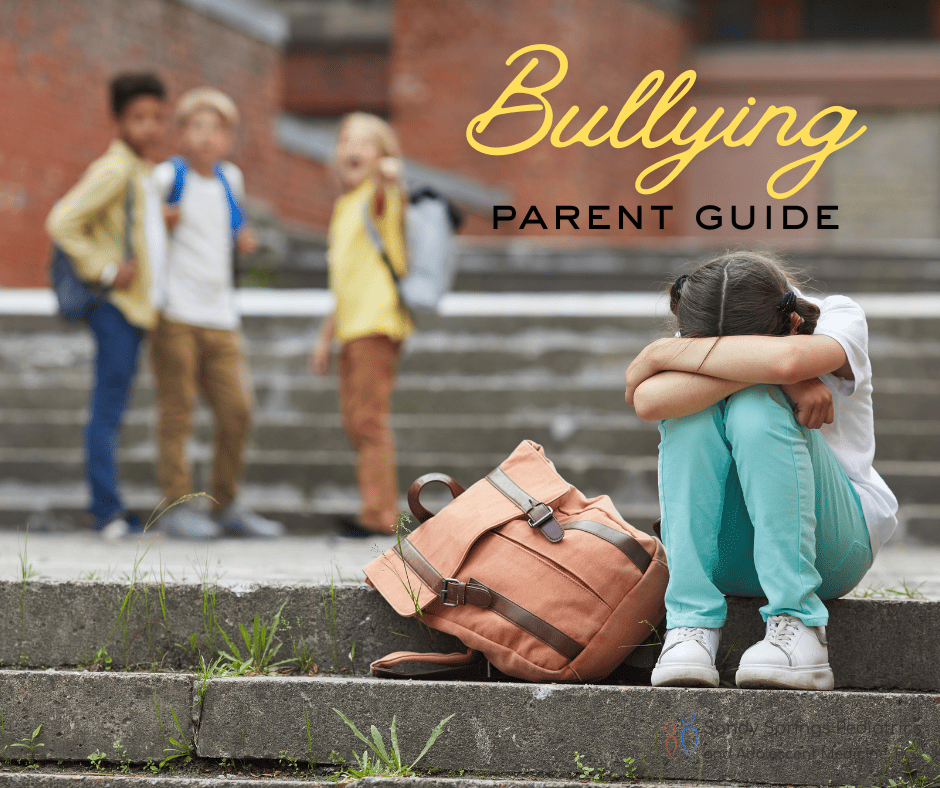
Every October, National Bullying Prevention Month reminds us that raising confident, kind, and emotionally intelligent children begins at home. With one in five U.S. students reporting they’ve been bullied, this month is a time to renew our collective commitment to creating safe environments—online and in person—where all children feel valued and protected.
At Sandy Springs Pediatrics, we understand that bullying can affect more than just a child’s mood—it can impact their sleep, appetite, concentration, and long-term emotional well-being. Knowing how to talk with your child, what steps to take, and when to involve professionals can make all the difference.
Recognizing the Signs of Bullying
Children who are bullied rarely come home and say, “I’m being bullied.” Instead, they may express it through behavioral and emotional cues. Pediatric and child-psychology experts note that warning signs include:
- Sudden changes in mood or personality
- Unexplained injuries or frequent stomachaches
- Avoidance of school or social activities
- Loss of interest in friends or hobbies
- Difficulty sleeping or new anxiety symptoms
In today’s digital age, cyberbullying adds another layer—mean messages, social-media exclusion, or photo-based teasing can be just as painful as physical aggression. Monitoring your child’s online interactions while keeping open communication builds both awareness and trust.
How to Talk to Your Child About Bullying
One of the most effective ways to protect your child is through intentional, ongoing conversations. According to the American Academy of Pediatrics (AAP) and Child Mind Institute, the tone of these talks matters just as much as the content.
- Stay calm and open-ended. Ask questions like, “How are things going at lunch?” or “Who do you like to hang out with most lately?” This invites dialogue without pressure.
- Validate their emotions. Children need to hear: “You did nothing to deserve this.” This affirmation helps counteract shame and isolation.
- Avoid immediate problem-solving. Listen fully first; children who feel heard are more likely to share critical details.
- Rehearse confidence skills. Help them practice assertive but non-aggressive responses such as “That’s not okay” or “Leave me alone,” and encourage walking away to safety.
These conversations build resilience and emotional intelligence—skills that help children navigate conflicts throughout life.
What Parents Can Do When Bullying Is Confirmed
Once you know bullying is happening, the next steps should be calm, clear, and collaborative.
- Document incidents. Save screenshots, notes, or messages that show what’s occurred.
- Contact school staff. Reach out to your child’s teacher, counselor, or principal—they’re trained to intervene discreetly and according to policy.
- Avoid direct confrontation with the bully’s family. Experts caution this can escalate conflict and hinder resolution.
- Create a safe routine at home. Keep daily structure consistent and reinforce your child’s sense of belonging through family connection time, praise, and support.
If your child exhibits prolonged anxiety, avoidance, or physical symptoms, it’s important to involve your pediatrician. We can help determine if therapy, counseling, or school-based support would be beneficial.
Teaching Children to Stand Up—Safely
Empowerment is key. Psychologists emphasize that role-playing scenarios at home helps kids feel prepared.
Encourage your child to:
- Use confident body language. Stand tall, make eye contact, and speak firmly.
- Walk toward a trusted adult or group. Safety in numbers helps de-escalate situations.
- Report bullying right away. Teach that telling an adult isn’t “tattling”—it’s being brave.
For parents, modeling calm conflict resolution and empathy in your own relationships sends a powerful message. Children learn by watching how you handle frustration and difference.
When Your Child Witnesses Bullying
Bystanders are often the turning point in a bullying situation. Studies from the National Bullying Prevention Center show that more than half of bullying incidents stop when a peer intervenes within 10 seconds.
Encourage your child to:
- Offer inclusion—“You can sit with us.”
- Speak up when safe to do so.
- Seek adult help when a peer is being hurt or excluded.
Teaching compassionate action helps kids build courage and moral integrity.
If Your Child Is the One Bullying
No parent wants to hear this, but acknowledging it early allows for growth and learning. Children who bully often do so out of insecurity, peer pressure, or difficulty managing emotions.
Experts recommend:
- Stay calm and seek understanding. Ask what led to the behavior and listen.
- Focus on accountability, not shame. Consequences should teach empathy, not humiliation.
- Collaborate with school counselors or behavioral specialists to guide your child toward positive social habits.
This approach reinforces the values of self-awareness and emotional regulation, both central to long-term well-being.
Fostering a Culture of Kindness at Home
Bullying prevention starts before bullying ever happens. Families can build protective environments by emphasizing:
- Kindness over competition. Praise acts of empathy more than achievements.
- Inclusion. Encourage your child to invite new classmates to play or join activities.
- Digital safety. Discuss what’s appropriate to share, how to report harmful content, and how to handle group chats respectfully.
- Gratitude and service. Volunteering or doing kind acts together reinforces empathy and purpose.
These simple habits create emotional armor that protects children from both sides of the bullying equation.
When to Seek Professional Help
Sometimes, even the most supportive families need extra guidance. If your child expresses hopelessness, self-blame, or changes in appetite or sleep, contact your pediatrician right away. We can connect your family with trusted child psychologists, behavioral therapists, and support networks in the Sandy Springs area.
Early intervention helps children regain confidence, rebuild friendships, and feel safe again—both inside and outside the classroom.
Trusted Resources for Parents
- StopBullying.gov
- PACER’s National Bullying Prevention Center
- American Academy of Pediatrics – HealthyChildren.org
At Sandy Springs Pediatrics, we believe every child deserves to feel safe, supported, and seen. If you’re concerned your child is experiencing bullying—or struggling with the effects of it—our care team is here to help. Together, we can teach our children that kindness is strength and that standing up for others is one of the bravest things they’ll ever do.