
Few healthcare decisions feel as personal as the ones parents make for their children. Questions about vaccines are understandable—especially when families encounter conflicting claims online, changing recommendations and advice that may sound alarming without the proper medical context.
National Immunization Awareness Month is an opportunity to replace fear and confusion with clear, evidence-based information. The goal is not to dismiss parents’ concerns, but to help them understand what vaccines do, how their safety is monitored and what decades of research have found.
Why childhood vaccines still matter
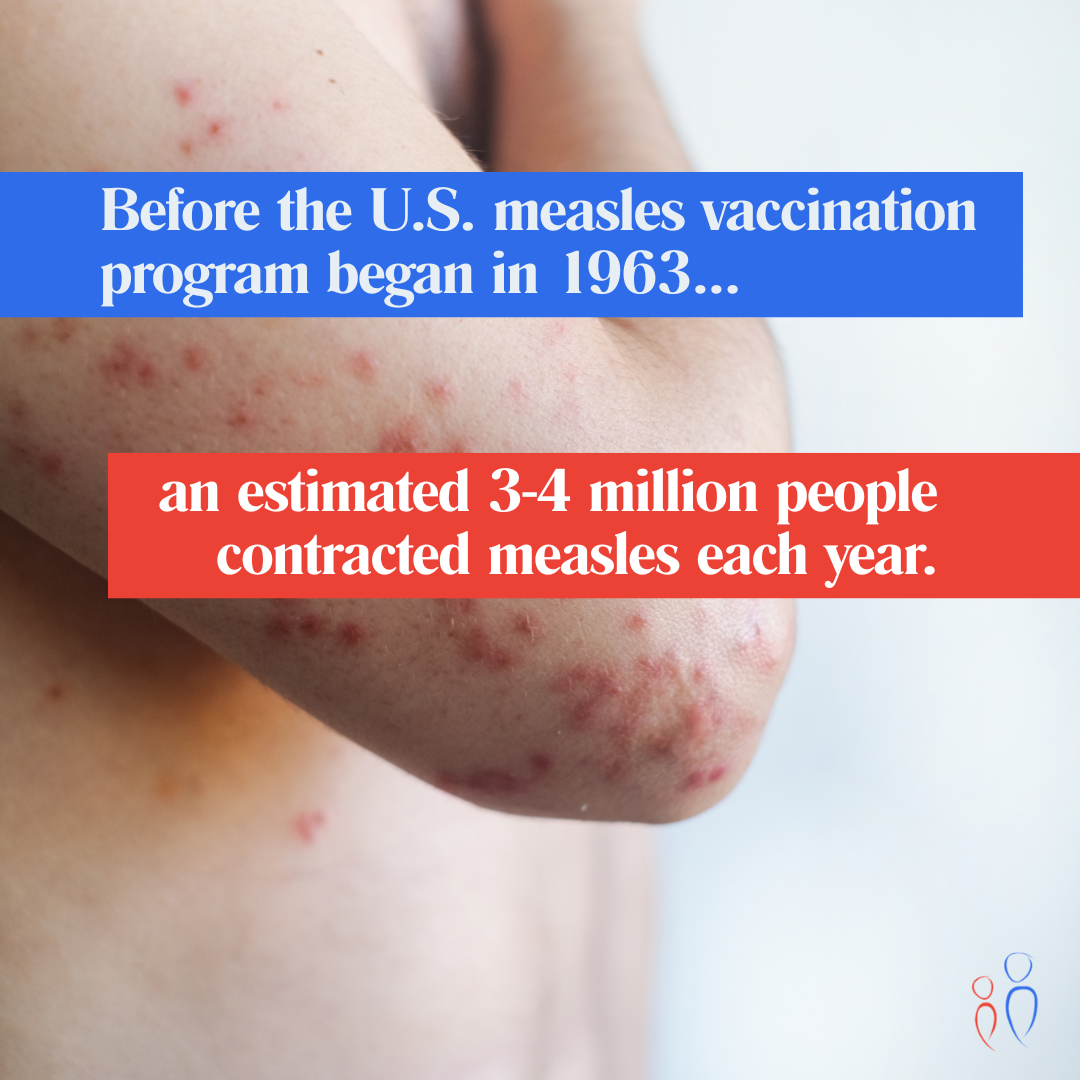
Vaccines train the immune system to recognize and respond to specific infections without requiring a child to experience the full disease first. Routine childhood immunization has dramatically reduced illnesses that once caused widespread hospitalization, disability and death, including polio, diphtheria, measles, whooping cough and bacterial meningitis.
These diseases have not disappeared everywhere. When vaccination rates decline, infections can return and spread—particularly among infants who are too young to be fully vaccinated, children with certain medical conditions and people whose immune systems do not respond strongly to vaccination.
Myth: “Vaccines cause autism.”
Fact: Large, well-designed studies have not found an association between vaccination and autism.
One of the largest studies on this question followed 657,461 children. Researchers found that the MMR vaccine did not increase autism risk, including among children with a sibling with autism or other factors associated with a higher likelihood of an autism diagnosis. The study also found no evidence that MMR vaccination triggered autism in susceptible children.
The original 1998 report suggesting a connection between MMR vaccination and autism involved only 12 children and was later retracted. Since then, researchers in multiple countries have examined data from hundreds of thousands of children without finding evidence that MMR vaccination causes autism.
Autism is a neurodevelopmental condition with strong genetic influences. Its characteristics often become noticeable during the same period of early childhood when several vaccines are routinely administered. Events occurring around the same time, however, do not necessarily mean that one caused the other.
Myth: “Children receive too many vaccines too soon.”
Fact: Children encounter far more immune challenges through everyday life than they receive from vaccines.
From birth, a child’s immune system continuously responds to bacteria, viruses and other substances in food, air and the environment. Vaccines expose the immune system to a carefully selected and controlled number of antigens—the components that prompt an immune response.
Although children receive protection against more diseases today than they did several decades ago, modern vaccines contain fewer total antigens than many older vaccines. Research has not found an association between the cumulative antigen exposure from vaccines during the first two years of life and autism.
The recommended timing is designed around two factors: when children are most vulnerable to a disease and when their immune systems can respond effectively. Delaying doses can leave a child unprotected during that vulnerable period.
Myth: “It is better to develop natural immunity.”
Fact: Infection can sometimes produce immunity, but it requires the child to experience the disease—and accept its risks—first.
Measles can cause pneumonia, brain swelling and death. Chickenpox can lead to serious skin infections, pneumonia or inflammation of the brain. Whooping cough can cause breathing emergencies, particularly in young infants. Polio can result in permanent paralysis.
Vaccination is intended to develop immune memory while greatly reducing the likelihood of these complications. No medical intervention is completely risk-free, but the relevant comparison is not between vaccination and nothing happening. It is between the risks associated with vaccination and the considerably greater risks posed by the disease.
Myth: “Vaccines contain unsafe levels of mercury or aluminum.”
Fact: Vaccine ingredients are present in small, carefully studied quantities and serve specific purposes.
Aluminum salts are used in some vaccines to strengthen the immune response. Aluminum is also naturally present in food, water and the environment. Safety evaluations consider the amount, route of exposure and how the body processes it.
Thimerosal is a mercury-containing preservative that was previously used to prevent contamination in multidose vaccine vials. The MMR vaccine has never contained thimerosal. All vaccines routinely recommended for children age 6 and younger in the United States are available in formulations without thimerosal, including single-dose influenza vaccines. Extensive research has not demonstrated a connection between thimerosal-containing vaccines and autism or serious neurodevelopmental harm.
Parents may always ask their pediatrician for the manufacturer’s package insert or a complete list of ingredients for a particular vaccine.
Myth: “If vaccinated people can still become sick, vaccines do not work.”
Fact: No vaccine prevents every infection, but effectiveness is not measured only by whether an infection occurs.
Depending on the vaccine and disease, immunization may reduce the likelihood of infection, decrease transmission or make illness substantially less severe. A vaccinated child who develops an infection may have a lower risk of hospitalization, complications or death than an unvaccinated child with the same disease.
Protection may also decrease over time, which is why booster doses are recommended for certain vaccines. Some respiratory viruses change from year to year, requiring updated vaccine formulations.
Myth: “A report in VAERS proves that a vaccine caused an injury.”
Fact: A VAERS report documents that a health event occurred after vaccination; it does not establish that the vaccine caused it.
The Vaccine Adverse Event Reporting System, or VAERS, accepts reports from patients, parents, healthcare professionals and vaccine manufacturers. Reports may be submitted even when the person reporting the event is unsure whether vaccination played any role.
This openness makes VAERS useful as an early-warning system. If an unusual pattern appears, researchers can investigate it using medical records and other vaccine-safety databases. However, raw VAERS reports cannot determine cause and effect on their own.
Are vaccine reactions possible?
Yes. Vaccines, like all medications, can cause side effects.
The most common reactions are temporary and may include soreness, redness or swelling at the injection site, fatigue, fussiness, headache or a mild fever. Serious allergic reactions can occur, but they are rare. Pediatric offices screen for known contraindications and are equipped to recognize and treat an immediate allergic reaction.
Some vaccines have specific, uncommon risks. For example, MMR vaccination is associated with a small increased risk of a fever-related seizure approximately eight to 14 days later—about one additional febrile seizure for every 3,000 to 4,000 children vaccinated. Febrile seizures can be frightening, but they generally do not cause lasting harm. Measles infection itself carries much more serious risks.
Parents should tell their pediatrician about previous vaccine reactions, severe allergies, immune-system conditions, current medications and any other health concerns before vaccination.
What parents should know about the 2026 recommendations
In 2026, the American Academy of Pediatrics began publishing a childhood immunization schedule that differs in some respects from the federal schedule. The AAP continues to recommend routine, on-time immunization against 18 diseases and updates its guidance as new evidence becomes available.
Because recommendations can depend on a child’s age, health history, previous doses, travel plans and risk factors, parents may see different categories such as:
- Routinely recommended for all children in an age group
- Recommended for children with certain risk factors
- Recommended through shared decision-making
- Recommended as catch-up protection when earlier doses were missed
A child who has fallen behind usually does not need to restart an entire vaccine series. A pediatrician can review the record and develop an appropriate catch-up plan.
Questions are welcome
Parents deserve accurate answers presented without judgment. Bring questions to your child’s pediatric appointment and ask:
- Which vaccines are recommended for my child today?
- What disease does each vaccine prevent?
- What side effects should I expect?
- Are there medical reasons my child should delay or avoid a particular vaccine?
- If my child is behind, what is the safest catch-up plan?
- Are additional vaccines needed before travel or during a local outbreak?
The best immunization decision is an informed one based on a child’s individual medical history and reliable scientific evidence. Our pediatric care team is here to help you evaluate that evidence, understand the benefits and risks, and protect your child’s health at every stage of development.
To schedule an appointment with one of our Board-Certified pediatricians, call our office at (404) 252-4611 or conveniently request a visit via our ‘Contact Us’ form at the bottom of our homepage.