
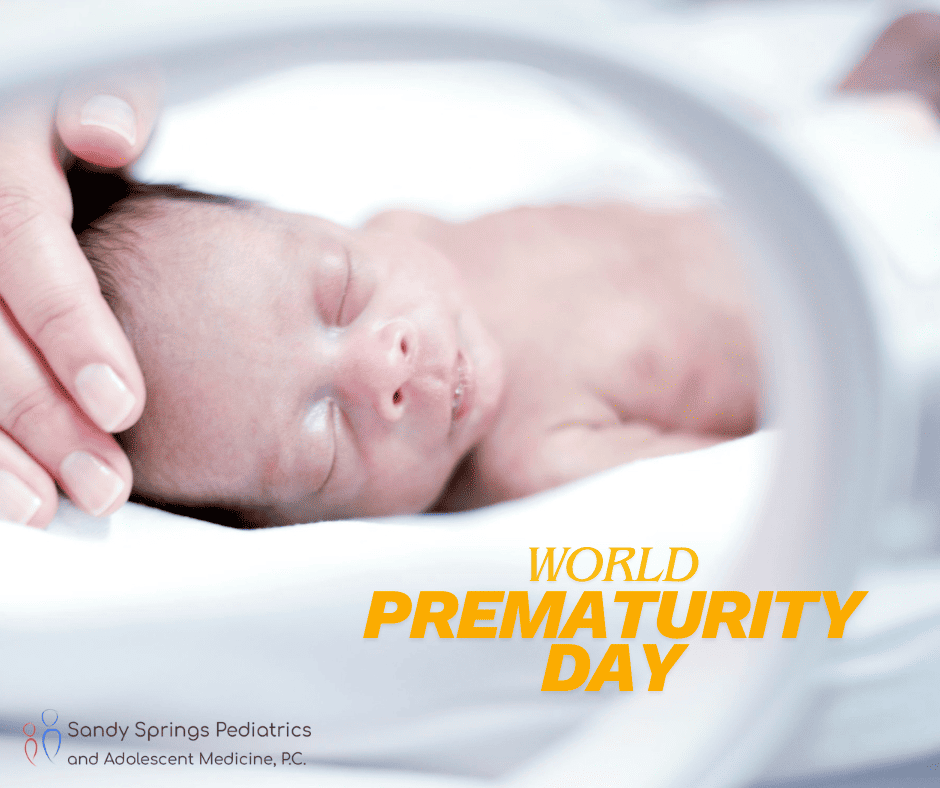
World Prematurity Day, recognized each November, brings attention to the unique journey of babies born before 37 weeks. About one in ten babies in the United States is born prematurely, and while prematurity can come with added medical considerations, it is important for parents to remember this: with attentive care, close monitoring, and early support, premature infants can and do thrive. Their beginnings may look different, but their futures remain bright.
For many parents, the experience of prematurity brings a mix of hope, pride, fear, and uncertainty. It is completely normal to feel overwhelmed—your baby arrived sooner than expected, and the road ahead may feel unfamiliar. The purpose of this observance, and of pediatric guidance, is not to focus on what can go wrong, but to empower you with knowledge and reassurance. Understanding the medical needs of premature infants helps families feel grounded, prepared, and supported at every stage.
Premature babies sometimes need extra help as they adjust to life outside the womb. Their lungs may be less developed, particularly in babies born before 34 weeks, which can make breathing more challenging at first. This can lead to issues such as respiratory distress or increased susceptibility to respiratory infections early on. Pediatricians monitor breathing closely—both in the NICU and at follow-up visits—and continue to assess lung health throughout infancy. Many premature babies grow out of early breathing difficulties as their lungs mature.
Feeding can also take time to establish. Preterm babies might need assistance learning to coordinate sucking, swallowing, and breathing. Pediatricians support families through gradual feeding plans, weight monitoring, and, when needed, fortified breastmilk or formula to encourage steady growth. What may feel like slow progress at first often accelerates as babies get stronger and gain endurance.
Vision and hearing are also important parts of preterm care. Some premature infants have a higher risk of vision concerns or delayed hearing responses. Pediatricians ensure every premature baby receives recommended newborn hearing tests and ophthalmology evaluations, then follow up on any concerns early so that children receive timely and effective treatment if needed. Many early findings resolve on their own or respond well to intervention.
Because premature babies have more delicate immune systems, they may be more prone to certain infections during the first months of life. Pediatricians help protect premature infants with customized vaccine schedules, close monitoring of fever or illness, and preventive options like RSV immunization when appropriate. Parents should always call their pediatrician promptly if a fever develops in a preterm baby—rapid evaluation offers peace of mind and safeguards their health.
Developmentally, premature infants often follow their own timeline. Pediatricians use “adjusted age” when evaluating milestones, ensuring that expectations match each baby’s developmental stage. Early intervention services—such as physical, occupational, or speech therapy—may be recommended not because something is wrong, but because early support helps babies reach their fullest potential. Many premature infants catch up completely with peers by early childhood.
World Prematurity Day is ultimately about recognition, support, and hope. Every premature infant is a testament to resilience, and every parent of a preterm baby deserves reassurance that they are not alone. Pediatricians walk beside families through each feeding concern, every follow-up appointment, every developmental milestone, and every question that arises along the way.
Premature birth does not define a child—it simply shapes the first chapter of their story. With compassionate pediatric care, early developmental support, careful monitoring, and a strong partnership between families and clinicians, premature babies can thrive, grow, and surprise everyone with their strength.