
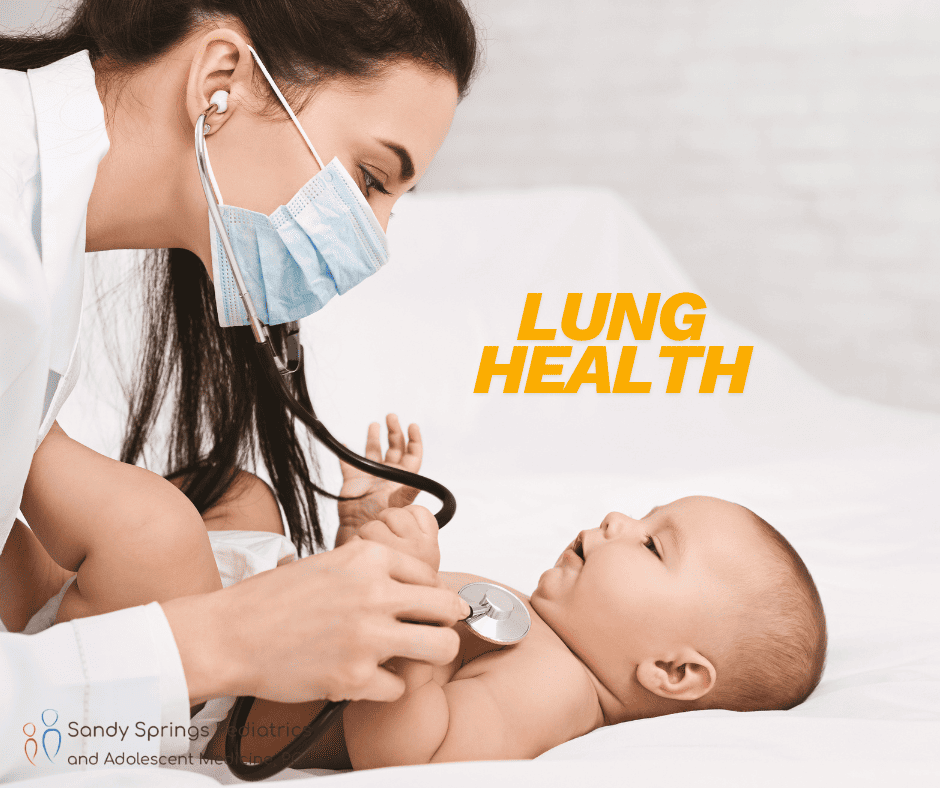
November includes several health observances connected to lung health: Lung Cancer Awareness Month, COPD Awareness Month, and World Pneumonia Day. While lung cancer and COPD are adult diseases, the underlying risk factors and respiratory vulnerabilities begin much earlier than adulthood. For children, November is the perfect time for parents to learn how environmental exposures, chronic airway conditions, and preventable infections affect long-term lung development.
The lungs continue developing throughout childhood, making early exposures especially impactful. Secondhand smoke remains one of the most harmful environmental risks for children. According to the American Academy of Pediatrics, children exposed to tobacco smoke experience higher rates of asthma exacerbations, pneumonia, bronchitis, recurrent ear infections, and even increased risk of sudden infant death syndrome. There is no safe level of smoke exposure; even smoke particles carried on clothing (thirdhand smoke) affect infants and toddlers.
Vaping creates additional concern for older children and teens. Although vaping has not existed long enough for long-term cancer data, it has already been linked to severe acute lung injuries (EVALI), chronic cough, airway inflammation, and nicotine addiction. Pediatricians are now counseling families about the risks of flavored vapes, THC cartridges, high nicotine content, and the misconception that vaping is harmless.
Asthma is the most common chronic respiratory condition in childhood, affecting millions of children in the United States. Symptoms include wheezing, chronic cough, chest tightness, and shortness of breath. Pediatricians diagnose asthma through clinical history, response to medication, and in older children, spirometry. Treatment includes inhaled corticosteroids, rescue inhalers, allergy control, and trigger avoidance. Parents should call the pediatrician if a child is coughing at night, coughing with exercise, wheezing, or using a rescue inhaler more than twice per week.
World Pneumonia Day, recognized on November 12, highlights one of the leading causes of hospitalization in children worldwide. Pneumonia may be viral or bacterial and often presents with fever, rapid breathing, cough, fatigue, or poor feeding. Pediatricians diagnose pneumonia using lung exams, oxygen checks, and occasionally chest X-rays. Treatment varies depending on the cause but often includes rest, fluids, close monitoring, and antibiotics when needed. Parents should seek immediate care if their child is breathing rapidly, working hard to breathe, showing bluish lips, refusing fluids, or unusually sleepy.
Prematurity also increases the risk of long-term respiratory issues. Babies born early may have underdeveloped lungs, making them more susceptible to infections and breathing problems throughout infancy and early childhood. Pediatricians follow premature infants closely and provide support for feeding, growth, breathing, and development.
Preventing respiratory illness begins at home. Using smoke-free environments, reducing exposure to indoor allergens and pollutants, encouraging flu and pneumonia vaccines (when age-appropriate), proper handwashing, and early evaluation of persistent symptoms all protect a child’s airway health.
November’s respiratory observances collectively remind families that lung health begins in childhood, and pediatricians play a central role in identifying early symptoms, reducing risk, and supporting long-term respiratory wellness.