
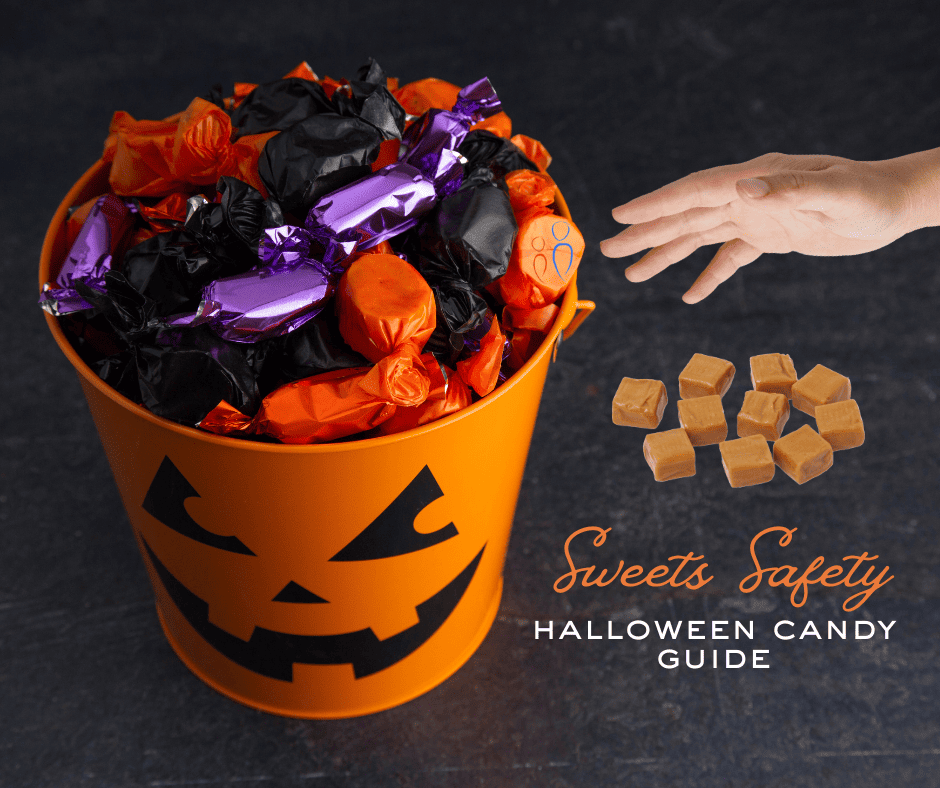
Halloween is one of the most exciting nights of the year for children—costumes, friends, and of course, mountains of candy. But with all that fun comes an important responsibility for parents: making sure those sweet treats are safe to eat.
At Sandy Springs Pediatrics, we want families to enjoy the holiday with confidence. Here’s what parents should know about candy safety, trick-or-treat precautions, and how to balance fun with smart choices for kids of all ages.
Before You Head Out: Trick-or-Treat Safety Basics
Halloween night excitement can make even cautious kids forget everyday safety rules. Keep these reminders in mind before heading out:
- Eat dinner before trick-or-treating. A healthy meal keeps kids from snacking on candy before it’s inspected
- Carry a flashlight or glow sticks. Make sure everyone is visible to drivers. Reflective tape on costumes or treat bags helps, too.
- Stay in well-lit, familiar neighborhoods. Avoid houses without lights or neighborhoods you don’t know well.
- Stick together. Younger children should always be accompanied by an adult, and older children should travel in groups with agreed-upon routes and check-in times.
- Avoid homemade treats from strangers. Even well-meaning neighbors may not follow safe food-handling practices.
Inspecting Candy: What Parents Should Check
Once you’re home, make candy inspection a tradition—it can even be a fun part of the evening. Pediatricians recommend parents check every piece before allowing kids to eat. Here’s what to look for:
- 1. Unwrapped or damaged packaging: Discard candy that isn’t fully sealed or shows tears, holes, or resealing.
- 2. Strange appearance or smell: Throw away any candy that looks discolored, misshapen, sticky, or smells unusual.
- 3. Small choking hazards: For younger kids, avoid hard candies, gum, or small chewy pieces that could be a choking risk.
- 4. Homemade or repackaged items: Unless given by a trusted friend or relative, it’s safest to skip them.
- 5. Allergen awareness: If your child has allergies (especially to nuts or dairy), read labels carefully—cross-contamination is common in assorted candy mixes.
(Source: American Academy of Pediatrics and CDC Halloween Safety Guidelines)
Handling Candy for Kids with Food Allergies
For children with food allergies, Halloween can be stressful. Fortunately, more communities now participate in the Teal Pumpkin Project, which promotes giving out non-food treats like stickers, small toys, or glow bracelets.
Tips for parents of children with allergies:
- Carry an epinephrine auto-injector (EpiPen) during trick-or-treating.
- Separate allergen-safe candy before eating and double-check ingredient labels.
- Consider swapping collected candy for an “allergy-safe” stash from home.
- Let your child help decorate a teal pumpkin to raise awareness in your neighborhood.
(Source: Food Allergy Research & Education [FARE])
Managing Candy Consumption (Without the Sugar Battles)
Halloween candy doesn’t have to lead to weeks of sugar overload—or stress. Pediatric dietitians recommend focusing on moderation, not restriction.
Try these expert-backed approaches:
- Set limits in advance: For example, two or three pieces on Halloween night, then a few treats per day after.
- Involve your child: Let them help sort their candy into “favorites” and “share/donate” piles.
- Balance with nutrition: Offer water and healthy snacks during the week to offset the extra sugar.
- Be mindful of dental health: Encourage brushing teeth (and rinsing with water) after candy to protect enamel from sugar acids.
Remember: making candy off-limits entirely can sometimes increase its appeal—moderation teaches kids to make balanced choices.
(Source: American Dental Association and Academy of Nutrition and Dietetics)
Extra Safety Tips for Halloween Night
- Check costume visibility and fit: Costumes should be easy to walk in, free of tripping hazards, and flame-resistant.
- Avoid masks that block vision: Use face paint instead of full-face masks when possible.
- Remind kids about stranger safety: Only accept candy from front doors, not cars or unfamiliar adults.
- Stay hydrated: Between walking and excitement, kids can get tired or dehydrated—carry water bottles.
- Keep candy stored safely: If you have small children or pets, store candy out of reach to prevent choking or illness.
After Halloween: What to Do with Leftover Candy
If the candy mountain feels endless, here are a few creative ideas:
- Donate to local shelters or troops: Programs like “Treats for Troops” and community food banks often accept wrapped candy donations.
- Use candy for crafts or learning activities: Sorting by color or type can be a fun math exercise for little ones.
- Set up a candy “store” at home where kids trade pieces for small toys, outings, or privileges.
Halloween should be full of fun—not fear. With a little planning, parents can make sure their children’s candy is safe, their costumes are secure, and their memories are sweet.
At Sandy Springs Pediatrics, we’re here to help your family stay healthy and happy through every season. If your child experiences an allergic reaction or stomach upset after Halloween, contact your pediatrician promptly.
From all of us—have a safe, joyful, and candy-smart Halloween! 🍫